
Use of acellular fish skin grafts in wound healing: a literature review

Skin grafts are commonly used to aid wound closure in traumatic wounds from burns or combat. Autografts are ideal because they are harvested from the patient’s own skin, which minimises the risk of rejection (Greenhalgh, 2019; Kogan et al, 2019; Fiakos et al, 2020). However, if the existing injury is extensive, as with a large […]
Closing the gap in acute lower limb care: a two-year review
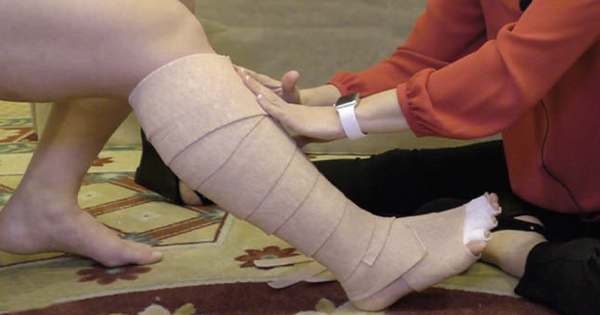
This paper presents the results of an audit undertaken after the development and implementation of an education programme and clinical pathways for lower leg ulceration within an inpatient hospital setting (secondary care). Ethical approval was not required as this was an audit of practice. Traditionally, the principal responsibility for managing leg ulceration was within the […]
A patient-centric approach to compression therapy: the use and adoption of a novel mobile application to support the clinical selection of medical compression hosiery

Compression therapy is widely accepted as an evidence-based treatment for both the prevention and management of venous leg ulceration (National Institute for Health and Care Excellence [NICE], 2016). In particular, NICE guidance states that compression therapy is necessary for treating conditions associated with chronic venous insufficiency, including venous ulcers, varicose veins, venous eczema, post-thrombotic syndrome […]
A formal senior review process of data from a wound management digital system to identify wounds that may be on a deteriorating trajectory: a review

Livewell Southwest provides integrated health and social care services across Plymouth, South Hams, and West Devon, to a population of approximately 330,000 people. Within this population, the expected incidence of people with chronic wounds would be around 10,000 (Guest et al, 2020), many of whom will present to the organisation’s Podiatry, Lower Limb, Tissue Viability, […]
Treatment-resistant pyoderma gangrenosum managed with maggot debridement therapy and hyperbaric oxygen therapy: a case study
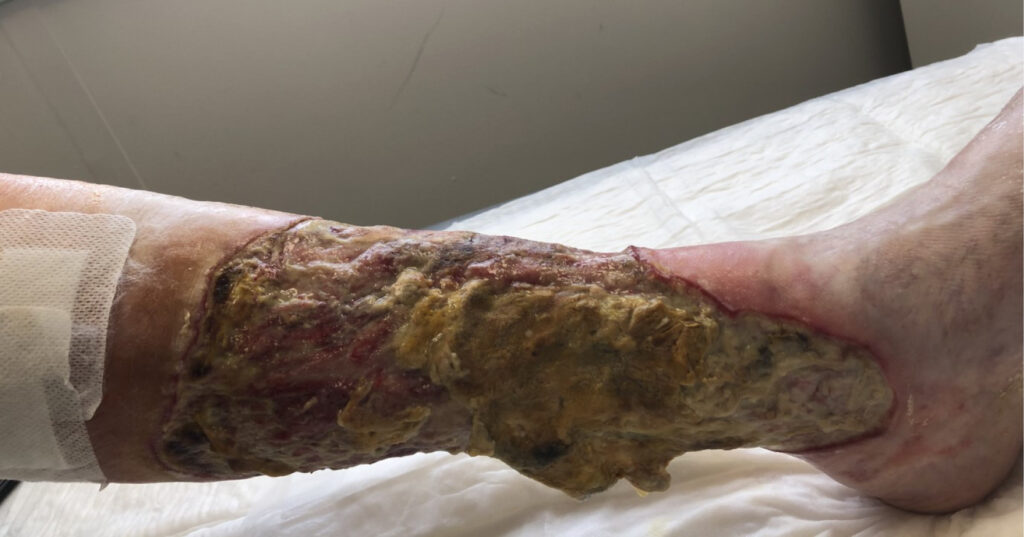
Pyoderma gangrenosum is a rare disease presenting as extremely painful and rapidly enlarging ulcers. It is one of a group of auto-inflammatory disorders known as neutrophilic dermatoses (Skopis and Bag-Ozbek, 2021). There are no widely used or standardised guidelines regarding management and it is often based on prior experience and practices. Here we present the […]
Addressing real world challenges for community nurses: active treatment for non-healing wounds

Community nurses play a vital role in the healthcare system, as evidenced by a recent poster released by the Queen’s Nursing Institute (QNI; 2023). This poster highlights the diverse responsibilities and expertise of community staff nurses, ranging from sexual health nurses who provide support from preconception to district nurses who care for the elderly. For […]
Standardising leg ulcer assessment and management in a prison environment

This paper explores the complexities of managing leg ulceration in a prison environment and the issues associated with the implementation of a wound strategy. The wound strategy was developed following an internal audit, which highlighted inefficiencies in the current provision of leg ulcer assessment and management. As of June 2023, the UK had a total prison […]
Management of malignant fungating wounds with a bioactive microfibre gelling technology dressing: an evaluation
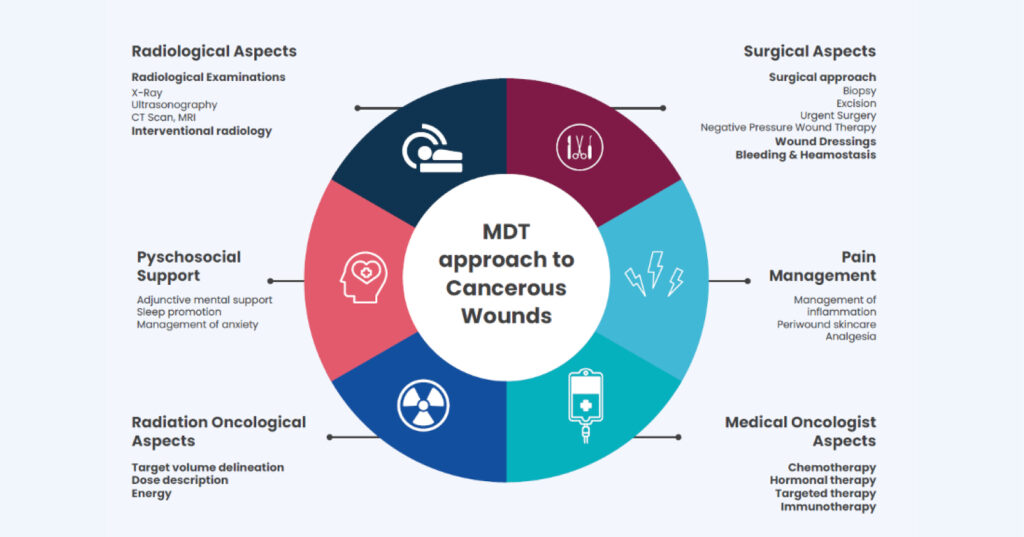
According to Cancer Research UK, there were 375,400 new cases of cancer during 2016–2018 (Cancer Research UK, 2023). Patients with cancer often suffer from acute or chronic wounds caused by either the disease itself or as a result of the cancer treatment. These wounds present many challenges for the patient, their family and the multidisciplinary […]
A multidimensional approach to wound bed preparation using UrgoClean Ag
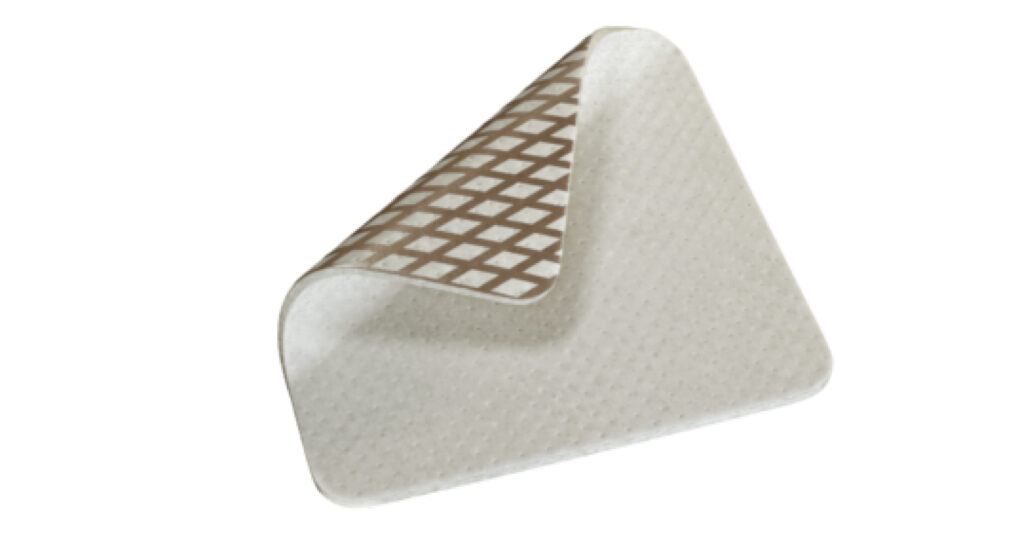
The NHS treats more than 2.2 million chronic wounds per year and the total cost of managing these wounds and their associated comorbidities is £5.3 billion annually (Guest et al, 2015; 2017). Chronic wounds have a significant impact on a person’s wellbeing and their quality of life (QoL) (Green et al, 2014; Goodwin and Atkin, […]
Managing change – the Lewin model 3: Refreeze

We have so far shown that the Lewin’s (1951)unfreeze-change-refreeze model is well conceived in that it seeks to create a fluid stage of being and behaving, from which it is simple to remould people and their behaviours to new ways of working. Unfreezing, getting people to see the benefits of a change and buying into […]
Models and methods to support the development of novel burn wound antimicrobial treatments
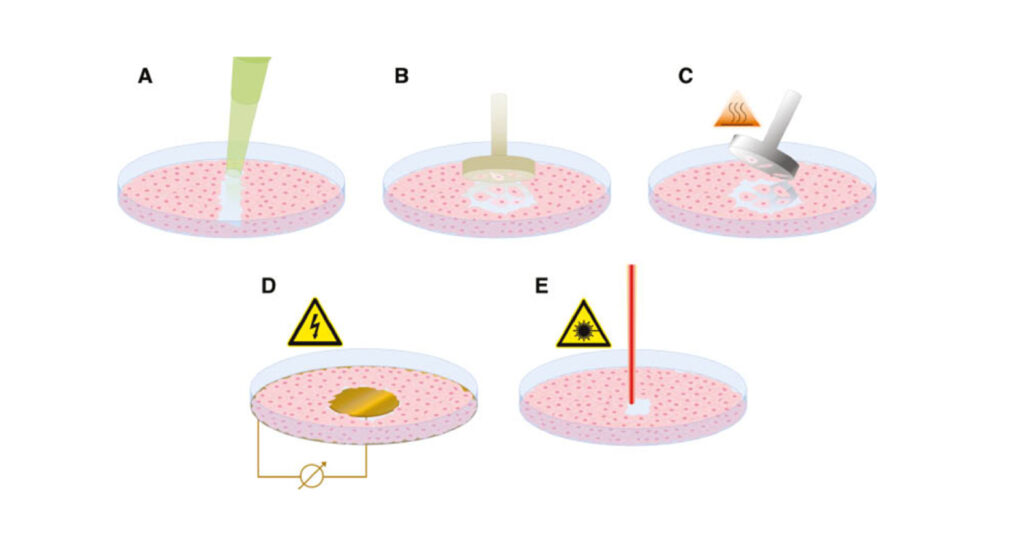
According to the World Health Organization (WHO), it is estimated that each year, approximately 11 million people suffer from burn wounds (Markiewicz-Gospodarek et al, 2022) and invasive infection is now the chief reason for death after burn injuries, with infected burn wounds being responsible for 51% of burn related deaths (Norbury et al, 2016). Despite […]
Can you help us to make every contact count and eliminate avoidable pressure ulcers in all health and care settings?

International Stop the Pressure Day is on Thursday 16 November this year and once again the #4nations of the UK are all working together to ensure we have a really engaging set of activities all focussed around #everycontactcounts. These activities are supported and endorsed by the Society of Tissue Viability (STV) and the Stop the […]
Legs Matter update: Harrogate and 2024

As you read this, the Wounds UK team will be finishing the final preparations for this year’s conference in Harrogate. For those of you attending, this will be a time to network with your peers and update yourself on best practice and new innovations. Legs Matter will be there, as always, so please come and […]
It’s time to place communities at the heart of the prevention agenda
As a policy and communications consultant, part of my job requires me to listen and understand the experiences of people from a variety of backgrounds — healthcare providers across primary, community and secondary care, patients and carers, policy makers, government, and industry. A degree of frustration is always commonplace in these conversations — people would […]
Understanding research: research methods, observation

In previous papers in this series, we have considered a variety of approaches to research design — the methodologies that underpin the approaches to answering specific research questions. We have seen that the methodologies are in turn divided, primarily, into two paradigms: qualitative and quantitative. In the quantitative paradigm, research answers questions about things which […]
Development of a wound care formulary using clinical evidence and ensuring effective change management

Evidence shows that there is unwarranted variation in wound care across the UK, with an underuse of evidence-based practices and overuse of interventions supported by little to no evidence (Gray et al, 2019; NHS Digital, 2019). It is crucial that clinicians avoid isolated and uncoordinated practices that prevent information or evidence from being shared or […]
Quick Guide: Personalising best practice compression option: ReadyWrap®, The solution for simple compression
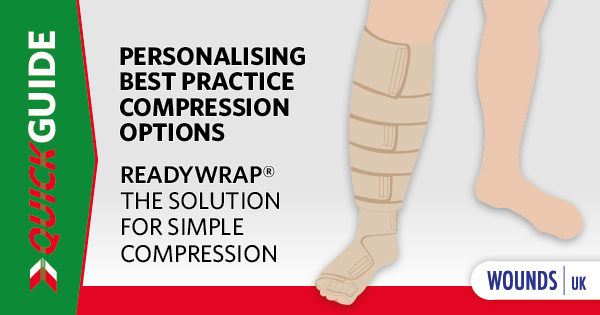
Compression therapy promotes the healing of venous leg ulcers (Ousey et al, 2021) and helps alleviate pain during the initial phase of treatment. Self-care solutions garments include: Self-management and initial compression Self-care solutions enable patients to be more involved in the treatment of their leg ulcer and/or underlying disease. If a patient is hesitant or […]
Quick Guide: Immediate and necessary care for lower limb wounds

Leg ulcers are ulcers on the lower leg (originating on or above the malleolus and below the knee) that have not healed within two weeks. The presence of a lower limb wound should trigger immediate and necessary care — i.e. the patient should be screened for any red flag symptoms that require an immediate response […]
Quick Guide: Flaminal®, A versatile solution to reduce the risk of infection in acute and chronic wounds
Use of Flaminal® in practice Flaminal® is a primary wound dressing, categorised as an enzyme alginogel. Composed of a hydrated alginate matrix alongside its unique GLG — glucose oxidase combined with lactoperoxidase, stabilised by guaiacol antimicrobial enzyme system, it is safe to use on skin and wound tissue. Its various modes of action eliminate the […]
Quick Guide: Introducing Wound Balance

Wound balance is a concept that aims to integrate various critical parameters which offer continuity, individualised care and support clinical decision-making, to place the patient at the centre of all care. With patient goals being priority, the shift in focus moves from managing wounds to leveraging intention of healing wounds whenever possible and as early […]
Explained: MARSI (Medical Adhesive-Related Skin Injury)
What is a MARSI? A medical adhesive-related skin injury (MARSI) refers to skin damage caused by the use of products containing a medical adhesive – e.g. tapes, dressings, electrodes, medication patches and wound closure strips (Fumarola et al, 2020; [Table 1]. MARSIs can occur at any age and clinical setting (de Faria et al, 2022) […]
Quick Guide: Flaminal® Eine flexible Lösung zur Verringerung des Infektionsrisikos bei akuten und chronischen Wunden – DE

Anwendung von Flaminal® in der Praxis Flaminal® ist ein primärer Wundverband, der als Enzym-Alginogel kategorisiert wird. Bestehend aus einer hydratisierten Alginatmatrix und seinem einzigartigen GLG – Glucoseoxidase in Kombination mit Lactoperoxidase, stabilisiert durch das antimikrobielle Guajakol-Enzymsystem, ist es sicher für die Anwendung auf Haut und Wundgewebe geeignet. Aufgrund seiner verschiedenen Wirkungsweisen sind mehrere Produkte nicht […]
Prevention, identification and management of Surgical Wound Dehiscence (SWD)
Foreword Surgical wound dehiscence (SWD) is a serious post-operative complication that affects patients, clinicians, and the wider community (Sandy-Hodgetts et al, 2013). Surgical wound complications (SWCs) in general have been shown to delay healing and result in significant morbidity and mortality, as well as increase demands on clinicians’ time with related socioeconomic costs (Sandy-Hodgetts et […]
Made Easy: Foot care and skin integrity

What is healthy skin? The skin is the body’s largest organ. It provides a chemical, physical and mechanical barrier, protecting the body from the external environment, and forming an important part of the innate immune system (see Figure 1; Wounds UK, 2018). Loss of these critical functions in impaired skin compromises immunity, adversely effects the […]
Should our mantra be ‘keep the skin healthy’
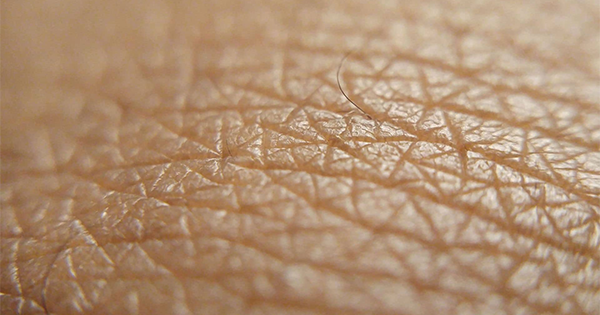
Having just come back from a week of holiday, where the glorious sunshine restored my spirits, I was a little dismayed to be reminded of the impact of the sun on photoaging of the skin, (to be clear I wore factor 50 all week, but did still come back a lovely golden brown colour having […]
What are the implications of the cost-of-living crisis on individuals with wounds?

The cost-of-living crisis is something that has been brought to the fore by reports such as the Royal Society for Public Health (Farrow et al, 2022). This report highlights the immediate impact of the crisis on the health of individuals, as well as suggesting that a whole generation are at risk of poorer health. Furthermore, […]
The application of modified compression to prevent leg ulcer recurrence in the Republic of Ireland
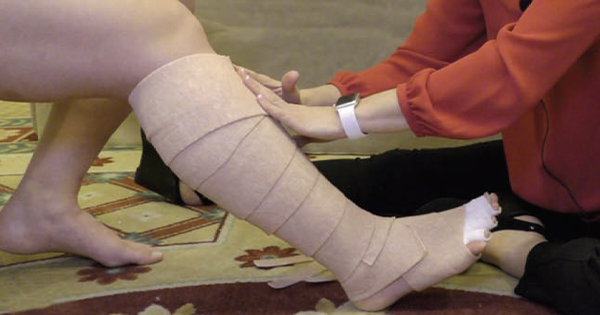
Compression therapy is considered best practice for both healing venous leg ulcers (VLU) and to prevent their recurrence (European Wound Management Association [EWMA], 2003; Vowden and Vowden, 2006; World Union of Wound Healing Societies [WUWHS], 2008; Amsler et al, 2009; Stephen-Haynes, 2011; Mauck et al, 2014; Moffatt, 2014; Nelson and Bell-Syer, 2014; Ubbink et al, […]
Implementing an evidence-based pathway to improve outcomes for non-healing wounds
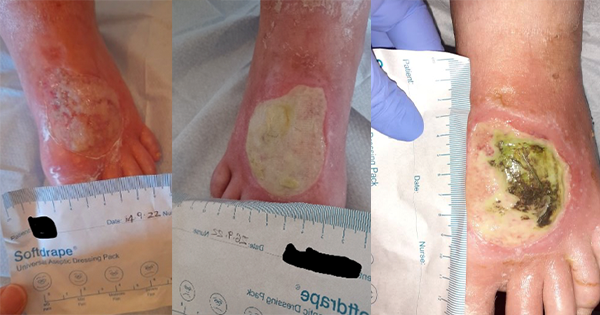
The shortage of registered nurses in the UK is a cause for concern. NHS England and NHS Improvement (NHS vacancy statistics, 2022) data from 31 March 2022 shows a vacancy rate of 10.0% within the Registered Nursing staff group (38,972 vacancies), a slight increase from the same period the previous year when the vacancy rate […]
Management of a fistula in the open abdomen
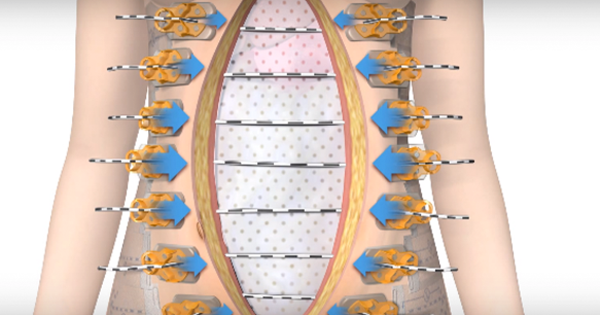
Klein (2016) suggested that when the abdomen is closed primarily, we lose the window to the abdominal cavity. However, there are risks associated with keeping the abdomen open, such as fluid, protein and heat loss, as well as bowel adhesions and perforations. There are several reasons to leave the abdomen open after surgery, these include: […]
Frugal innovation in wound management within a low resource inpatient setting: a case series

In 2019 Knowledge For Change (K4C), together with the University of Salford, Kabarole Health District, Fort Portal Regional Referral Hospital (FPRRH) and the Pharmaceutical Society of Uganda established the importance of wound care to reduce maternal mortality from sepsis and the effective antimicrobial stewardship in Uganda (Ackers, et al, 2020). From this work it was […]
Complex wound healing with topical negative pressure wound therapy: a case study
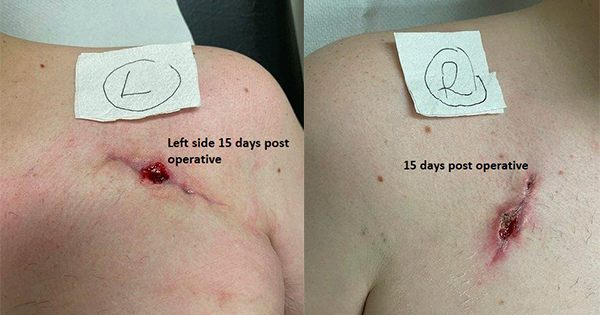
Surgical wound dehiscence (SWD) is a complication of surgery. It is the separation of the margins of a closed surgical incision that has been made in skin, with or without exposure or protrusion of underlying tissue, organs or implants. Separation may occur at single or multiple regions, or involve the full length of the incision, […]
Interface pressure: what does it mean in clinical practice?

Selecting the most appropriate surface (i.e. provides the best pressure redistribution) is complex as many factors have to be considered, particularly when determining which surfaces to use in a whole organisation, such as a hospital or care home. The equipment needs to meet the varying needs of a diverse population, as well as contribute to: Most […]
Coloplast Wound Care Partnership Programme: a pilot study

It has been estimated that the NHS manages 3.8 million patients with wounds per year, at a cost of £8.3 billion pounds, with 29% of this cost attributed to district/community nurse visits and 18% to GP office visits (Guest et al, 2020), with costs now higher still with a predicted 10% increase in wound prevalence […]
PICO™ Single Use Negative Pressure Wound Therapy (sNPWT) non-healing wound clinical practice pathway
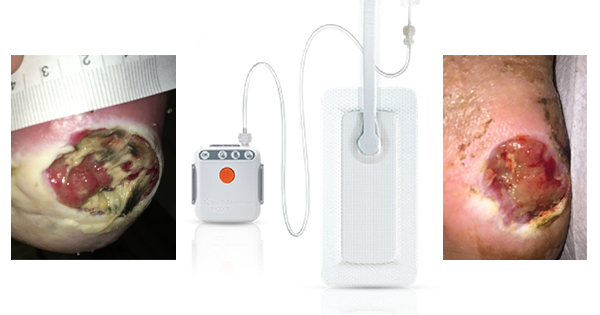
It is estimated that 2–2.5% of people with type 2 diabetes in the UK have active foot disease, with a greater risk of amputation, especially if the ulcer remains active for a prolonged period. In 2014–2015, diabetes-related foot care accounted for nearly 1% of the total NHS budget, or approximately £1 billion (Kerr et al, […]
Managing change: the Lewin model 2 — changing
In the first paper in this miniseries about using Lewin’s (1951) unfreeze-change-refreeze model, for managing change, we identified that the model is popular with managers because of its simplicity (Ellis, 2023). We saw that the idea of unfreezing is clever because in trying to change something in the workplace, the manager needs to get the […]
Legs Matter update: It’s time to act
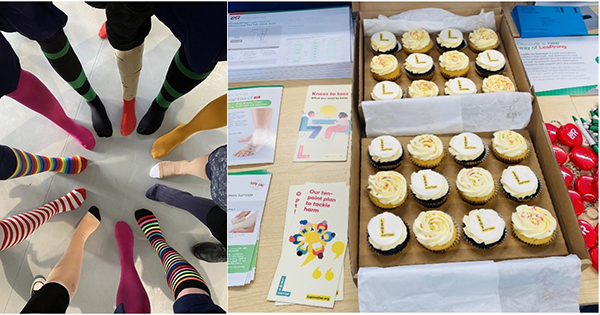
That’s a wrap for Legs Matter week 2023, which this year took place between the 12 and 16 June. The focus of the Legs Matter week, and indeed this year, has been on the hidden harm crisis in leg and foot care and what we can all do to help tackle it. Obviously not an […]
National Wound Care Strategy update: pressure ulcer consultation
In April this year we consulted on the new National Wound Care Strategy Programme (NWCSP) pressure ulcer (PU) clinical recommendations and clinical pathway. There were 187 people from across England who completed the consultation (Figure 1). The respondents were mostly from acute or community trusts, with a small number of responses from general practice, care […]
Enough is enough! A manifesto for the lower limb

Lower limb and leg ulcer-related conditions have long been neglected in primary care settings, resulting in significant suffering and a hidden epidemic. In 2017/18, the NHS managed 3.8 million patients with wounds, incurring an estimated annual cost of £8.3 billion (Guest et al, 2020). There were 1 million ulcers of the lower limb, accounting for […]
Understanding research focus groups 3: practical issues 2

In the previous paper in this series (Ellis, 2023) we considered issues of sample selection for focus groups. We identified that the size of the focus group used for a particular piece of research will depend on what is being studied and the personal preferences and skills sets of the researcher. We identified most focus […]
Personalised self-care for people with venous leg ulcers: a toolkit for change

Self-care is the ability of individuals to care for themselves, allowing them to take an active role to achieve, maintain or optimise their health and wellbeing. It refers to the collaborative partnership between clinicians and patients to support individuals to manage their ongoing health conditions themselves (Blackburn et al, 2021; Martínez et al, 2021). An […]
Making the Case: PICO™ Single-Use Negative Pressure Wound Therapy (sNPWT) in non-healing wounds

Non-healing wounds have been defined as those that fail to heal with standard therapy in an orderly and timely manner (Troxler et al, 2006). Nurses are repeatedly changing and dressing these wounds several times a week for months on end and, as a result, non-healing wounds are associated with considerable financial and resource burden that […]
75 years of the NHS

The NHS was founded on 5 July 1948, with the aim of providing free healthcare to all. Treating over a million people a day in England, the NHS touches all of our lives and is something to be truly proud of. Thank you to you all for the amazing work you do!
Time to reflect on things that have puzzled us
As we move into summer (YEY — sunshine and holidays) and the fog of winter lifts alongside hopefully some of the pressure from winter, it feels like I have a little bit more time to think about things in more depth. My colleague Heidi Sandoz refers to this as having ‘clinical curiosity’ and it feels […]
Artificial Intelligence and ChatGPT: Should we be worried?

The use of computer programmes using automated technology is not new, for example I’m sure we’ve all experienced websites that use chatbots, for example my own University has integrated the use of a chatbot (Cardiff University). However recent developments have meant that these are becoming much more sophisticated, so much so that it can be […]
Assessing Tissue Viability Leading Change (TVLC) Framework: Perspective of healthcare professionals

The Centre for Ageing Better (2022) reported there are almost 11 million people aged 65 and over equating to 19% of the total population in the UK. In 10 years’ this will have increased to almost 13 million people or 22% of the population (Centre for Aging Better, 2022). With an ever-increasing older population we […]
Patient and staff experience of supported self-management information and education for lower limb wound care during a pandemic
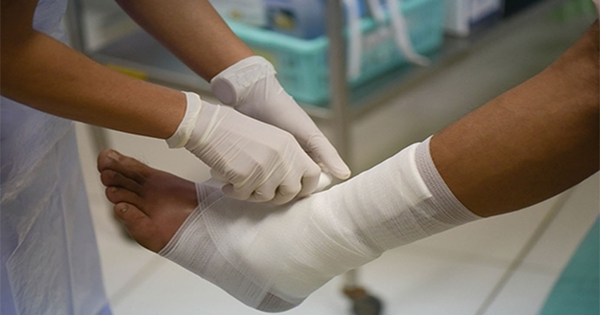
Shared care relates to the active involvement of patients (and other members in the patients’ social network) in their own healthcare, under the guidance of a healthcare professional (Wounds International, 2016). It typically incorporates aspects of treatment decision making, care planning, and undertaking condition-specific tasks and forms part of the constitution of the NHS long […]
Development of aids for sharp debridement training in wound care
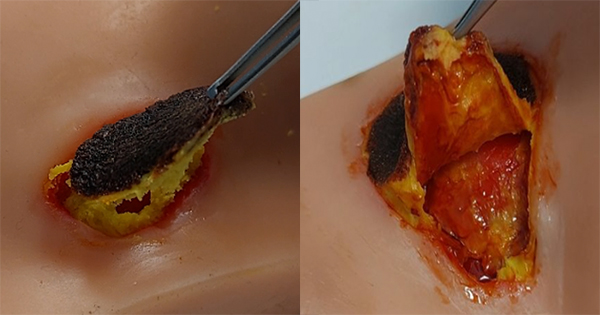
Sharp debridement is the process of removing devitalised tissues from the surface of a wound typically using a scalpel or curette (Atkin, 2022). Sharp debridement is generally considered to be faster than autolytic approaches to debridement, for example, using honey, hydrogel or other moist dressings. This is due to the instantaneous nature of tissue removal during […]
Reducing unwarranted variation in wound care across a local healthcare economy

In 2020, Guest et al identified that the NHS managed an estimated 3.8 million patients with a wound in 2017/18. This equates to a 71% increase in the annual prevalence of wounds between 2012/13 and 2017/18. Guest and colleagues (2015) had previously identified the need to reduce unwarranted variation in the assessment and treatment of […]
Management of a complex scalp wound: a case report
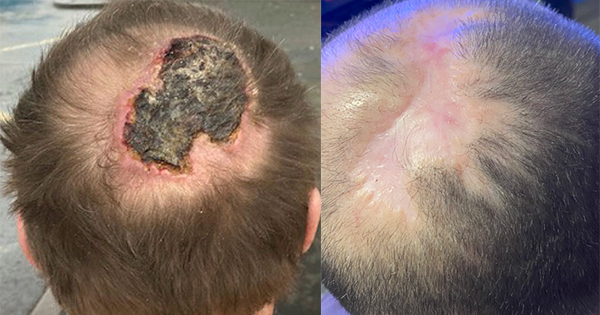
Wound healing is usually referred to in four phases; haemostasis and inflammation, proliferation and remodelling (Almadaniet al, 2021). The main purpose of the inflammatory response is to prevent further blood loss by vasoconstriction, which results in a blood clot or scab (Ng, 2010). Fibroblasts play a key role in the proliferation phase leading to increased […]
Active treatment of non-healing wounds in the community: Identifying people at risk of non-healing wounds
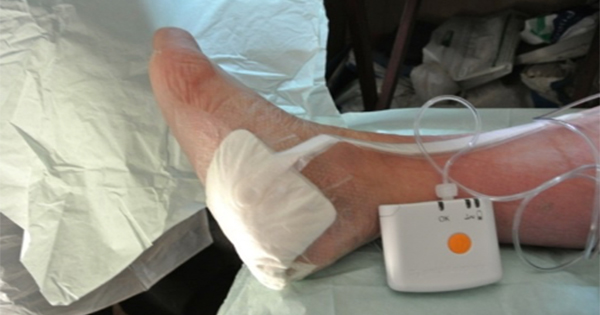
Non-healing wounds have a negative impact on patient’s quality of life, are costly to treat and increase the workload for clinicians, particularly in the community setting, where the majority of them are managed. This is a growing concern as the number of people who suffer from a wound has increased, with a 71% increase in […]