“Now I sit here on this bench all day and never get a glance,
My steps are slow, my hair is grey, near the end of life’s sweet dance…
It seems my childhood wish was granted, invisibility”
– James T Atkins, from his poem Invisibility.
“An umbrella term, covering impairments, activity limitations and participation restrictions. An impairment is a problem in body function or structure; an activity limitation is a difficulty encountered by an individual in executing a task or action; while a participation restriction is a problem experienced by an individual in involvement in life situations.”
– Disability as defined by Wikipedia
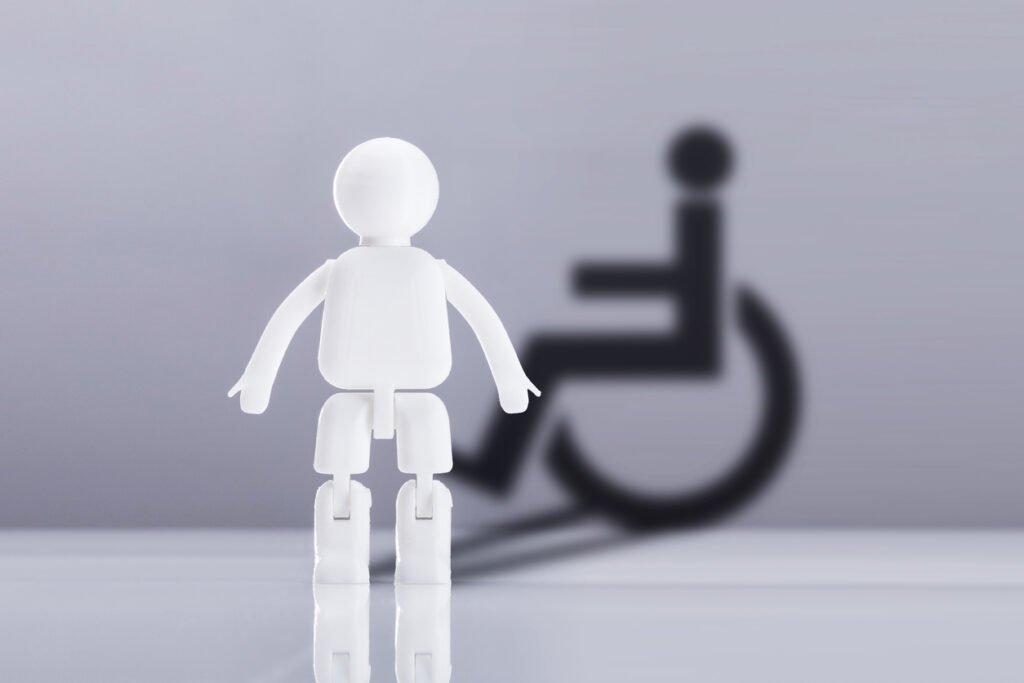
People with disability are often stigmatised because they cannot do things that able-bodied people can do and may have to say, “I can’t do that” or “I need special hotel accommodation”, when they appear perfectly normal.
When regardless of age when speaking to friends and colleagues with limited mobility many express their experience, frustrations, fear and apprehension of losing one’s independence, embarrassment, fearing progressive disability and having to depend on others. Another area of concern in parking facilities as some find they experience stigma when applying for and having to justify the need for a Blue Badge permit to be able to use a disabled parking area to get in and out of the car.
As societies become technology-driven, it is important to consider how everyday life experiences affects older people and those living with limited mobility. For many individuals, ageing is not defined by statistics or healthcare systems, but by the practical realities of undertaking tasks in their daily life. For example, tasks that once seemed simple, such as boarding a bus, crossing a busy street, carrying shopping, or attending social activities, can gradually become more challenging as mobility deteriorates.
Considerable progress has been made in accessibility and inclusion, yet barriers that affect independence has an impact on quality of life. These barriers are not always physical but often they arise from a lack of other people’s spatial awareness and understanding of those around them make one feel invisible in today’s society. Especially as mobility limitations are not always visible, and many older adults find themselves facing challenges that go unnoticed by people around them.
Typically, the definition of the older population is the chronological age of 65 or older. Living longer is one of society’s greatest achievements; however, increased longevity can also bring changes in physical health, strength, balance, and mobility. Conditions such as osteoarthritis, frailty, chronic illness, or recovery from surgery can affect an individual’s ability to move confidently when out of their environment. For some, these changes occur gradually while for others, they may follow a significant health event such as neurological changes, a hip fracture or total hip replacement surgery.
Recovery from hip replacement surgery can be particularly challenging because an individual may appear well on the surface, yet they may still experience pain, fatigue, reduced balance,and restricted mobility. Activities that once needed little thought can suddenly demand careful planning and considerable effort. Standing for extended periods, climbing stairs, carrying bags or navigating crowded spaces may become difficult, even though these challenges are not immediately visible to others.
Following total hip replacement surgery, I now fully understand how many older people describe feeling stigmatised, marginalised, and invisible in public settings. A classic example is boarding a crowded bus or a train to find that nobody notices your discomfort or need for a seat, or approaching a door only to have it close before you can pass through safely. An example is in busy shopping centres, railway stations, or pedestrian areas, where you encounter people moving quickly while focused on their phones or other distractions, with little awareness of those around them. Being an invisible person carries a profound feeling of being unseen as an individual within today’s society. These encounters are rarely intentional acts of unkindness, but they can have a significant impact nevertheless.
As an individual personally experiencing these scenarios, such incidents are more than minor inconveniences as they represent repeated experiences of being overlooked. This affects confidence and creates feelings of frustration, vulnerability and exclusion, breaks down your sense of belonging, and leaves you vulnerable, frustrated and doubting your own value. What might seem insignificant to one person is a genuine obstacle to an individual managing pain, diminished mobility or uncertainty about their physical capabilities.
The challenge is often greater for those living with invisible disabilities. Unlike individuals who use wheelchairs or other visible mobility aids, many older adults have conditions that are not immediately apparent. Recovery from surgery, chronic pain, heart conditions and many age-related conditions can limit mobility without obvious outward signs. As a result, the need for patience, support or assistance may go unrecognised by others.
These experiences can have wider consequences for health and well-being because social participation plays a significant role in maintaining quality of life in later years. Visiting friends, attending social gatherings, volunteering, participating in recreational activities and staying engaged in local life all contribute to physical health, emotional well-being and a sense of belonging. Yet, participation often depends upon confidence and the ability to move comfortably through public spaces.
When repeatedly encountering barriers, whether physical or social, it is easy to begin to limit activities, choose not to travel during busy periods, avoid unfamiliar environments or decline invitations to social events because the effort involved feels overwhelming. Over time, these decisions can reduce opportunities for social interaction and increase the risk of loneliness and isolation.
Loneliness is not simply a matter of being alone; many people feel isolated despite being surrounded by others. A lack of meaningful interaction, reduced participation in social activities and feelings of being overlooked can all contribute to emotional distress. Research has consistently demonstrated the importance of social connections for mental and physical health, yet the everyday barriers that prevent participation are often underestimated.
Another challenge is awareness of available support. Many older adults are unfamiliar with disability home equipment, mobility assistance schemes, community transport services or local organisations that help individuals remain active and independent. In some cases, individuals do not recognise that they need support until difficulties have become more severe.
Therefore, creating truly inclusive intragenerational communities needs more than accessible buildings and transport systems as physical accessibility is essential, but social awareness is equally important. Communities function best when people recognise that mobility limitations and disabilities are not always visible and that simple acts of consideration can make a meaningful difference for those confronting the everyday challenges faced.
Small actions often have a significant impact; for example, offering a seat, holding a door, allowing extra time for someone to cross a road or simply paying attention to those around us can help create environments in which older people feel respected, valued and included. These actions require little effort, but can greatly enhance confidence, independence, and social participation of an individual.
Conclusion
Today’s medical technology presents opportunities to support independence and inclusion. Mobility aids, smart home and wearable technologies, digital health services and accessible communication platforms can help people remain connected and engaged. However, technology must be designed with users’ needs in mind and should complement, rather than replace, human interaction and community engagement support.
Ultimately, creating a more inclusive society is not solely about addressing physical barriers, but also recognising the value, dignity, and contribution of seniors who bring a wealth of knowledge, experience and perspective to their communities.
The question is not whether society cares about older people and those living with limited mobility; rather, it is whether people are sufficiently aware of the everyday experiences that shape their lives. By listening to those experiences and responding with empathy, awareness and thoughtful action, we can create societies that are more welcoming, supportive, and inclusive for people of all ages and abilities ensuring that they can continue to take part fully in everyday life benefits society.