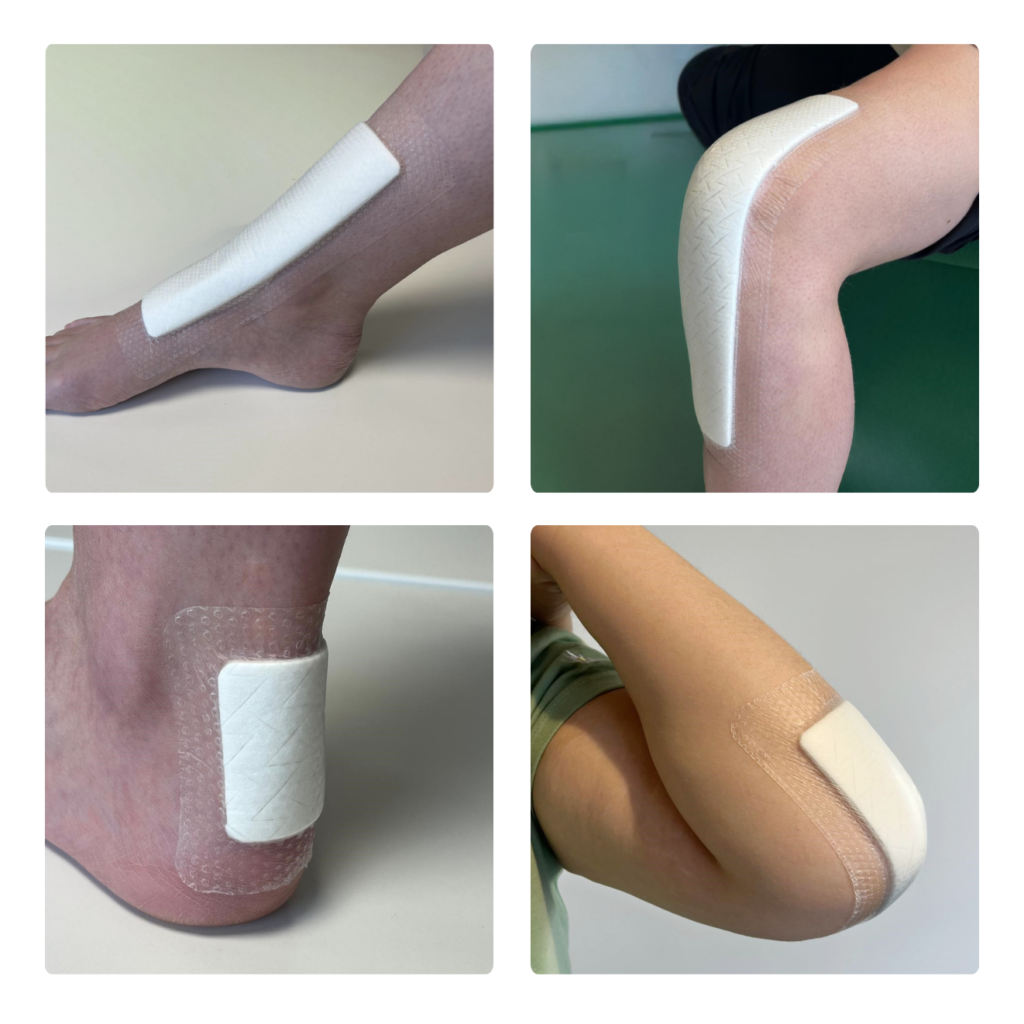
The management of wounds in clinical practice remains challenging, particularly in community settings where clinicians manage a wide range of wound types and patient factors. Many wounds occur in anatomical areas subject to movement, friction or pressure, such as the heel, sacrum and joint regions (Williams, 2024). These factors can make it difficult for dressings to remain securely in place while still providing flexibility and comfort. Additionally, increasing numbers of patients present with fragile or compromised skin; dressings must therefore manage the wound environment while minimising trauma to surrounding skin during application and removal (Nguyen et al, 2023).
Appropriate dressing selection is therefore essential in effective wound management. Clinicians must consider several factors, including exudate level, wound location, patient comfort, wear time and protection of the periwound skin (Haxho et al, 2025). Dressings that do not conform well to challenging anatomical areas may lift or leak, potentially leading to more frequent dressing changes, disruption of the wound healing environment and increased burden for both patients and healthcare services (Nguyen et al, 2023).
Effective exudate management is also essential in wound care. While a moist wound environment supports healing, excessive exudate can lead to periwound maceration, increased infection risk and delayed healing. Dressings that absorb and retain exudate while protecting surrounding skin help maintain an optimal wound healing environment (Kaya and Derman, 2023). Silicone foam dressings with gentle adhesive borders have been developed to address these challenges, combining absorbency with atraumatic removal and improved patient comfort (Santamaria et al, 2023).
Mediq has developed the Kliniderm® Foam Silicone Border Flexible dressing in collaboration with healthcare professionals, including nurses, and in partnership with the legal manufacturer, as part of its wound care portfolio. The dressing incorporates a flexible design intended to improve conformability in areas of movement while maintaining secure adhesion (Pramod, 2021). This paper presents the findings of a multi-site clinical evaluation conducted in the UK. This assessed the performance of Kliniderm® Foam Silicone Border Flexible in routine practice across multiple wound types.
Background
What is a Silicone Border dressing?
Silicone border dressings are widely used in modern wound management due to their ability to absorb exudate while minimising trauma to surrounding skin (Nguyen et al, 2023). These dressings typically consist of a soft silicone adhesive layer, an absorbent foam pad and a protective outer film layer (National Institute for Health and Care Excellence, 2026). The silicone adhesive adheres gently to periwound skin without strongly bonding to the moist wound bed, allowing removal with minimal disruption to newly formed tissue (Nguyen et al, 2023).
This atraumatic removal is particularly important for patients with fragile or compromised skin, such as older adults or those with chronic conditions affecting skin integrity. Soft silicone technology helps reduce the risk of skin stripping, irritation and pain during dressing changes (Degenhardt, Reinbold and Weinhardt, 2024). In addition, silicone border dressings provide a secure seal around the wound, helping to maintain a moist wound environment and protect against external contaminants (Nguyen et al, 2023).
Why comfort and conformability matter
Many wounds occur in anatomical locations that are subject to frequent movement, pressure or friction, including the heel, sacrum, joints and abdominal sites (NICE, 2024). Dressings used in these areas must conform to body contours while maintaining an effective seal. Poorly conforming dressings may lift or become displaced during normal movement, potentially leading to leakage of exudate, contamination of the wound and increased frequency of dressing changes (Gefen et al, 2023).
Patient comfort is also an important consideration in wound care. Bulky or rigid dressings may cause discomfort, particularly when applied to areas requiring mobility (Gefen et al, 2023). Flexible dressings that adapt to body movement may improve patient tolerance and adherence to treatment. For clinicians, dressings that remain securely in place may also reduce the need for frequent reapplication and support more efficient wound management.
Importance of exudate management
Effective management of wound exudate is essential for maintaining an optimal healing environment. While moisture supports healing, excessive exudate can lead to complications such as leakage and periwound maceration if not adequately absorbed and retained within the dressing (Kaya and Derman, 2023).
Dressings designed to absorb and retain fluid help prevent leakage and reduce the risk of maceration (Todhunter, Greenhow and McSkeane, 2024). Effective exudate control may allow dressings to remain in place for longer, minimising disturbance to the wound bed and reducing dressing changes.
Ideal characteristics of a modern foam dressing
Modern foam dressings are designed to support wound healing by combining absorbency, protection and patient comfort while maintaining a moist wound environment and protecting periwound skin (Hargis et al, 2024).
Flexibility and conformability are particularly important when dressings are used on areas subject to movement. Dressings that adapt to body contours may improve adhesion and reduce lifting or leakage, while gentle adhesive technology supports atraumatic removal and reduces the risk of skin damage (Hargis et al, 2024).
In addition to clinical performance, ease of application and appropriate wear time are important considerations for clinicians and patients. Dressings that are simple to apply and remain in place for extended periods may support efficient wound care management and improve patient experience (Hargis et al, 2024).
Product overview
Kliniderm® Foam Silicone Border Flexible
Kliniderm® Foam Silicone Border Flexible, developed by Mediq, is a silicone foam dressing designed for the management of low to moderately exuding wounds (Andrási, 2025). The dressing combines an absorbent foam pad with a soft silicone adhesive border to support exudate management while minimising trauma to periwound skin during removal (Andrási, 2025).
A distinguishing feature of the dressing is the inclusion of Z-shaped flexibility cuts within the dressing structure, designed to improve flexibility and allow the dressing to conform more easily to body contours, supporting secure adhesion in areas subject to movement or traditionally difficult to dress (Mediq, 2025).
The dressing is designed to maintain a moist wound environment while protecting the surrounding skin and providing a barrier to external contaminants. Depending on clinical assessment, the dressing may remain in place for up to seven days and can be used under compression therapy where appropriate (Mediq, 2025).
Indications include:
- Pressure ulcers
- Venous leg ulcers
- Diabetic foot ulcers
- Donor sites
- Post-operative surgical wounds
- Superficial and partial thickness burns
- Lacerations
- Abrasions
- Skin tears.
Methodology
Study design
A multi-site clinical evaluation was undertaken in the UK to assess the performance of Kliniderm® Foam Silicone Border Flexible in routine clinical practice. The evaluation was conducted across four clinical sites and involved 28 patients. The dressing was used on a range of wound types commonly encountered in community care settings. The aim was to monitor effectiveness in wound management and gather clinician feedback on performance and ease of use.
Patient selection
Patients were identified from existing district nursing caseloads during the evaluation period. Selection was carried out by district nurse team leads in collaboration with tissue viability teams. There were no strict inclusion or exclusion criteria other than wounds being appropriate for the dressing’s intended indications. Particular consideration was given to wounds located in difficult anatomical areas or in patients with fragile skin, where dressing flexibility and atraumatic removal were important.
Previous dressings
Prior to the evaluation, wounds had been managed using a variety of different dressing types depending on local practice and clinical assessment. The evaluation therefore assessed the performance of Kliniderm® Foam Silicone Border Flexible when introduced into routine care following other dressings.
Data collection
Data was collected using anonymised paper-based evaluation forms completed by clinicians. The forms included questions relating to treatment aims, achievement of treatment goals, exudate management, periwound skin condition and ease of application. Clinicians rated ease of application using a scale of 1 to 5, where 1 represented poor and 5 represented excellent. Additional qualitative feedback was collected through free-text comments describing their experience of using the dressing in practice.
Data evaluation
All data collected was anonymised prior to analysis. Completed evaluation forms were collated and reviewed to identify trends relating to dressing performance and clinician satisfaction. Ethical approval was not required as the evaluation was conducted as a service evaluation within routine clinical practice. However, patient consent was obtained for use of the dressing during the evaluation period.
Results
Across 28 patients included in the evaluation, a range of wound types were treated, including skin tears, post-operative wounds, leg ulcers, pressure ulcers, abrasions, lacerations and a PEG site [see Figure 3]. There was only one reported case of periwound skin maceration across all cases, with the remaining wounds maintaining healthy surrounding skin. Exudate management was rated as excellent in 22 cases and good in 5 cases [see Figure 4], demonstrating consistently strong performance across varying wound types. No clinicians reported skin irritation or dressing-related side effects following use of the dressing. A small number of lower outcome scores were noted. For example, one patient with a pressure ulcer experienced delayed healing, which was attributed to patient factors such as advanced age and wound chronicity rather than dressing performance. Overall, the findings further support the dressing’s effectiveness in managing exudate, protecting periwound skin and maintaining patient comfort across diverse clinical scenarios.
Achievement of treatment aims
Clinicians identified treatment aims for each wound, with many wounds having multiple aims recorded. Most treatment aims were reported as achieved. Where responses indicated that aims were partly achieved or not achieved, this was often associated with wounds where multiple treatment goals had been recorded. When “other” was selected, clinicians commonly recorded wound healing as the treatment aim.
Quantitative outcomes
Clinicians reported positive outcomes across key evaluation measures. Over 93% of clinicians rated the dressing as excellent for exudate management. In addition, more than 96% reported that no periwound maceration occurred during use.
Ease of application was rated highly, with all clinicians scoring the dressing as 5 (excellent). More than 96% of clinicians also stated they would recommend the dressing for clinical use. Some clinicians additionally noted reduced call-out visits compared to previously used dressings and improvements in wound appearance.
Qualitative feedback
Clinicians provided a range of comments describing their experience of using the dressing in practice. Feedback frequently highlighted secure adhesion, gentle removal and patient comfort. Example comments included:
- “Stayed in place, didn’t irritate the skin on removal. Stayed in place even on the heel area.”
- “It is soft on surrounding skin.”
- “It was gentle on a patient with thin skin and with good absorbency.”
- “Sticks well, reduced call-out visits.”
- “Good for PEG site as breathable.”
- “Patient found it comfortable.”
- “This dressing was gentler on the skin.”
- “No skin damage on dressing removal.”
- “Our patient felt more confident with these dressings.”
Discussion
Maintenance of periwound integrity
Protecting the periwound skin is an important aspect of wound management, as excessive exudate and repeated dressing changes can lead to maceration and skin damage (Whitlock, Bateman-Limmer and Salter, 2025). In this evaluation, clinicians reported very low levels of maceration, with over 96% indicating that it was not observed during use of the dressing. This suggests the dressing was effective in managing exudate while supporting periwound skin integrity.
The soft silicone adhesive border may also contribute to protecting fragile skin by allowing gentle adhesion and atraumatic removal. This is particularly relevant for patients with thin or compromised skin, where repeated dressing removal can cause irritation or damage (NICE, 2026).
Performance of high-movement areas
Wounds located in areas subject to movement can be challenging to manage, as dressings may lift or become displaced (Gefen et al, 2023). Clinicians in this evaluation reported that the dressing remained securely in place, including on difficult areas such as the heel and PEG sites.
The inclusion of Z-shaped flexibility cuts may allow the dressing to better conform to body contours and move with the patient, helping maintaining adhesion while supporting comfort in areas prone to movement (Mediq, 2025).
Pain reduction and atraumatic removal
Pain during dressing changes can negatively affect patient experience and may damage newly formed tissue. Silicone adhesive technology is designed to reduce trauma during removal by adhering gently to surrounding skin while minimising disruption to the wound bed (Kirkcaldy et al, 2023). Clinician feedback in this evaluation indicated that the dressing was gentle on the skin and did not cause skin damage on removal, supporting patient comfort, particularly in those with fragile or sensitive skin.
Exudate management and superabsorbent considerations
Effective exudate management is essential to maintain a balanced wound environment and protect surrounding skin (Feng et al, 2024). Clinicians in this evaluation rated the dressing highly for managing exudate in low to moderately exuding wounds.
While foam dressings are appropriate for these exudate levels, wounds producing higher volumes of exudate may require dressings with greater absorbency, such as superabsorbent products (Mervis, 2025). Accurate wound assessment therefore remains important when selecting dressings.
Potential service impact
Dressing performance can also influence healthcare service delivery. Dressings that remain securely in place and effectively manage exudate may support longer wear times and reduce dressing changes (Feng et al, 2024).
During the evaluation, some clinicians reported fewer call-out visits compared with previous dressings, which may improve patient convenience and support more efficient use of clinical resources.
Limitations
This evaluation involved a relatively small cohort of patients across four clinical sites and was conducted over a short period. A variety of wound types were included, which may limit conclusions for specific wound categories. The evaluation was conducted as a service evaluation in routine clinical practice and did not include a comparator dressing or controlled study design. Further studies involving larger patient populations and longer evaluation periods would help strengthen the evidence base.
Conclusion
Appropriate dressing selection is an important factor in effective wound management, particularly for wounds located in challenging anatomical areas or in patients with fragile skin. Findings from this multi-site evaluation indicate that Kliniderm® Foam Silicone Border Flexible performed well in managing low to moderately exuding wounds in routine practice.
Clinicians reported positive outcomes in exudate management, maintenance of periwound skin integrity and the dressing’s ability to remain securely in place, including in areas subject to movement. The soft silicone adhesive also supported gentle, atraumatic removal and good patient comfort.
Overall, the evaluation suggests that Kliniderm® Foam Silicone Border Flexible may be a suitable option for managing a range of wounds where flexibility, secure adhesion and protection of surrounding skin are key considerations.