Non-healing wounds place a real and growing demand on healthcare services and on the people living with them (Stephen-Haynes and Toner, 2025; Mitchell, 2025). Much of this care falls to generalist clinicians, who deliver the majority of wound care in everyday practice, often with varying levels of wound care experience and limited opportunities for specialist training. Without consistent and confident clinical decision-making, wounds are more likely to be managed rather than healed. Progress stalls, recurrence becomes more likely, and infection or biofilm can take hold, making these wounds among the most challenging to care for in everyday clinical practice. Supporting the generalist workforce with clinical decision-making is therefore not a secondary concern, but key to improving healing outcomes at scale.
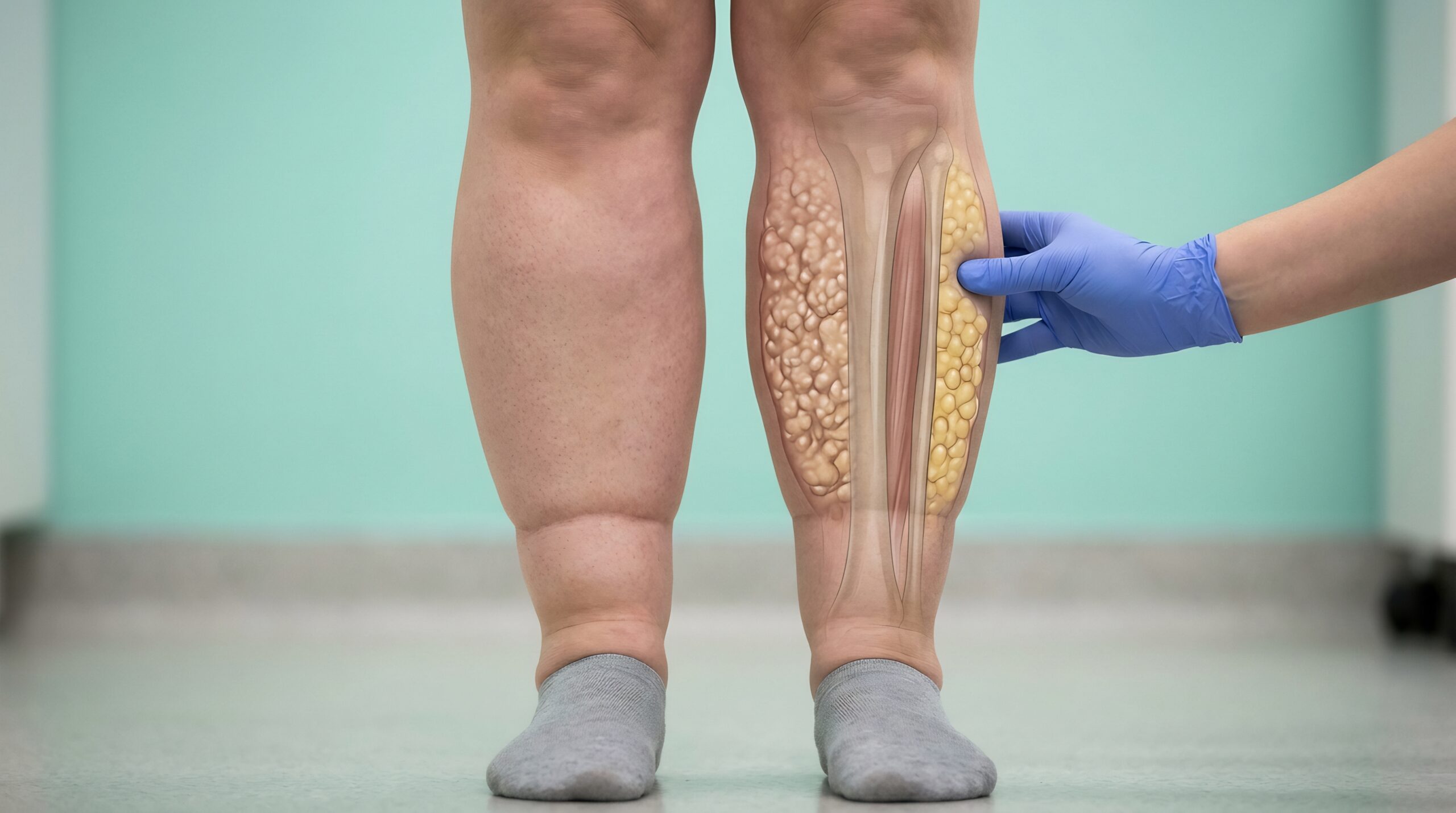
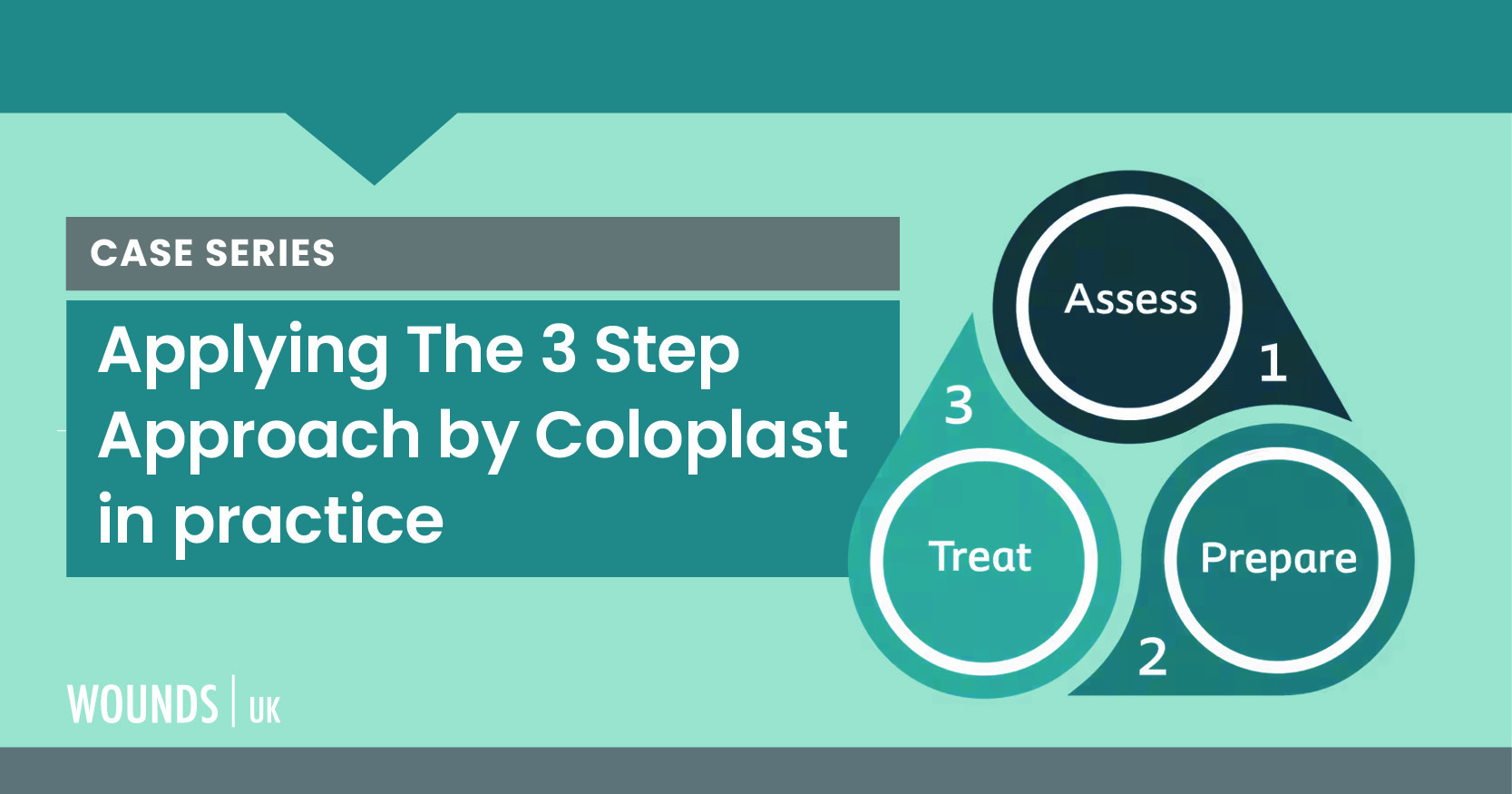
Non-healing wounds can include venous leg ulcers (VLUs), diabetic foot ulcers, pressure ulcers (PUs) and surgical wounds. Although VLUs account for a large proportion of these wounds and frequently require prolonged care (Oo et al, 2025), the principles of effective care remain consistent across all wound types, including simple and acute wounds. Thorough assessment, effective wound preparation and appropriate dressing selection are fundamental to optimising healing, yet in busy clinical practice these essential steps can be easy to rush or overlook (Ousey et al, 2025).
Compounding these challenges is the growing concern of antimicrobial resistance (AMR), with biofilm contributing to persistent infection, delayed healing and suboptimal clinical outcomes. AMR is a global crisis and a growing challenge in wound care, particularly in non-healing wounds, given the complex microbial communities involved. To support antimicrobial stewardship, antimicrobials should be used only where clinically indicated following thorough assessment, and their use should be reviewed regularly, so that managing wound infection does not add to this wider health crisis (Lipsky et al, 2020; World Health Organization, 2020; International Wound Infection Institute, 2026).
Together, increasing workload and financial pressures, varying levels of wound care experience and the ongoing threat of AMR highlight the need for standardised, practical approaches to wound care. These pressures can contribute to the continued use of non-evidence-based or habitual practices, reinforcing the value of standardised clinical frameworks and simplified product portfolios that support confident decision-making. As Probst et al (2025) argue, “Improving generalist performance in wound care does not require transformation into specialists. Instead, it requires creating conditions in which they can take timely, confident and appropriate action using simplified tools and clear pathways.” By reducing unnecessary complexity and standardising decision-making, simplified wound care tools and product portfolios can also support the wider adoption of supported self-management models, improving patient autonomy while helping to optimise workforce capacity, reflecting the direction of travel set out in the NHS 10 Year Health Plan (Hallas-Hoyes et al, 2021; NHS England, 2025).
Download the PDF below is access the full case series