
- Prepare for the conversation and create a safe space for dialogue
Allow sufficient time for communication and make it clear to the person that you have time. For example, you might sit down rather than stand, maintain eye contact and show you have time.
Explain that the conversation may take a while and check that they are comfortable and have the time to talk.
Consider the environment in which you are communicating and what may influence open communication – for example, distraction or lack of privacy.
Be mindful of pain, fatigue or emotional distress that may affect engagement with the conversation. - Establish their current understanding
Ask about the person’s understanding of their condition, risks and current actions.
Consider who else they would like to involve in the discussion, such as friends, family or carers. Some people may need an interpreter or other professionals to be involved.
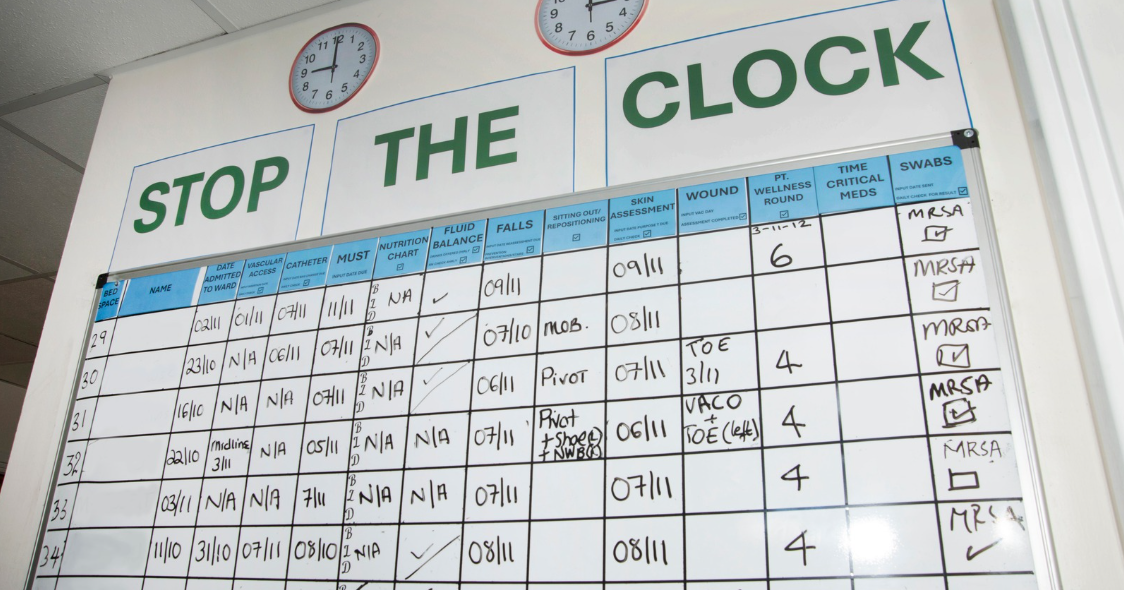
Where appropriate, use existing cues within the environment to facilitate discussion. - Start with empathy and curiosity
Ask open-ended questions to understand the person’s values and preferences. Some of examples of open-ended questions include:
– What is most important to you when it comes to your comfort and skincare?
– How have you been managing, or how do you usually manage?
– How do you feel about the routines we are suggesting?
– What would make this easier or more manageable for you?
– What would you like to prioritise? - Use the aSSKINg Framework with a person-centred lens
assess the risk – ask what the person thinks that makes them at risk, what they can contribute to risk reduction, and what they may need assistance with.
Surface – Ask what surfaces they find most comfortable or what they have already had experience with.
Skin inspection – Involve them in checking their own skin if possible.
Keep moving – Explore movement strategies that fit their lifestyle.
Incontinence – Respect privacy and preferences in hygiene routines.
Nutrition and hydration – Discuss food and drink choices they enjoy that support skin health.
give information – determine their preference for materials (e.g. written, audio, visual; paper or digital).
Support the discussion with appropriate resources that answer their questions and reinforce the actions agreed. Encourage the use of notes to facilitate further discussion or to remember questions. - Personalise the prevention plan
Establish the level in which the person wishes to participate in their care. If a patient values independence, explore ways they can self-monitor or reposition with minimal assistance.
If dignity is a concern, discuss ways to manage incontinence or skins checks. - Communicate clearly and respectfully
Avoid jargon: use plain language and explain why each action matters to their health and comfort. Use visuals or demonstrations if helpful.
Revisit the conversation another time if the patient seems overwhelmed. - Reinforce with education and support
Share simple guides or videos if these are suitable for the individual. Encourage family or carer involvement if the patient agrees. Offer reassurance that their input shapes the care plan. - Follow through, review and feed back
Act on what the person has shared – even small changes matter, and even if you cannot achieve everything, show that you have heard and understood what has been discussed. Be honest about what may not be possible and why.
Check in regularly: Is this still working for you? Has anything changed? - Adapt as needed for communicating with those with different communication needs
Use simple, clear language, using visual aids and demonstrations where needed. Check the individual’s understanding. Be patient and allow time. Involve the patient’s support person if possible. Respect preferences and choices. Follow-up and reassure. - Leave contact details
Leave information about who to contact if they have any problems or concerns, making sure they know any red flags to look out for. Clarify the times when this support may be available; for example, if only available Monday to Friday 9–5, what should they do outside those times?