
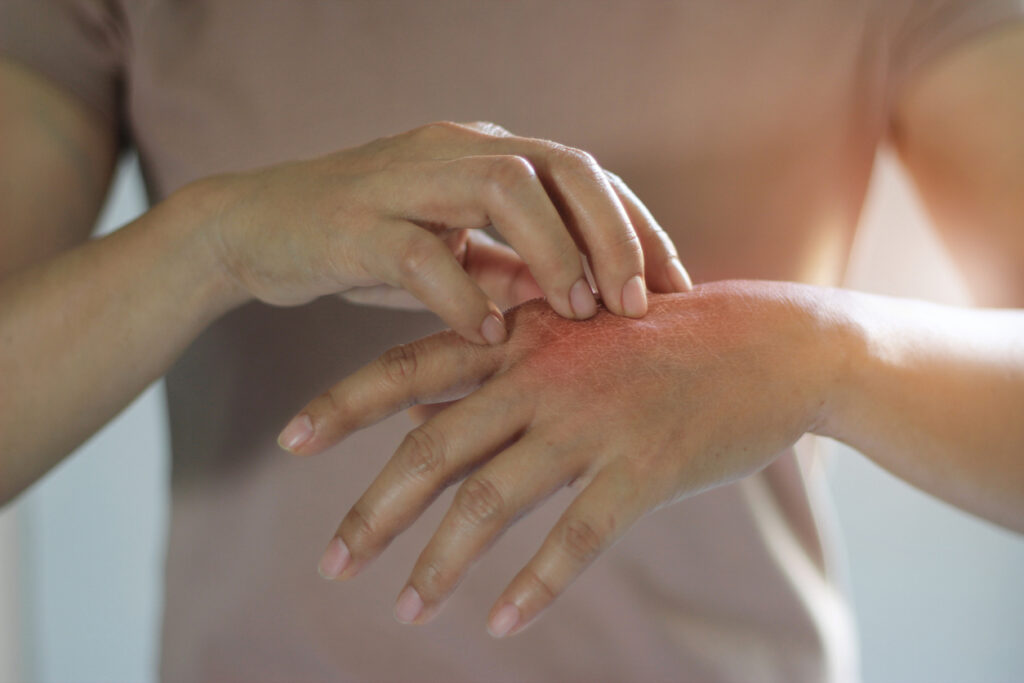
Burns injuries in children are a significant clinical challenge, often resulting in complex wounds that require specialised care.
Among the many outcomes of burn trauma, post-burn itching is a particularly distressing symptom that affects a large proportion of paediatric patients during healing and recovery. This itching can continue for weeks or even months, leading to discomfort, sleep disturbances, and impaired quality of life.
Managing itch effectively in children is crucial because it not only impacts their physical well-being, but also their psychological health and overall rehabilitation outcomes. Despite its prevalence, post burn itch remains under-recognised and under-treated in many clinical settings.
This article aims to provide an in-depth overview of the mechanisms behind post-burn itch, assessment, current and emerging treatments, and practical guidance on educating patients and families. Additionally, it seeks to support clinicians in optimising care for children experiencing itch after burn injury.
Mechanisms of post-burn itch
Post-burn itching is a multifactorial phenomenon involving peripheral, central, inflammatory, scar-related, and psychosocial pathways. These overlapping mechanisms explain why itch in burn survivors, particularly paediatric patients, is often severe and resistant to conventional antihistamine therapy (Chung and Yosipovitch, 2020).
Peripheral nerve injury and aberrant regeneration
Burns damage cutaneous sensory fibres, including unmyelinated C-fibres. During healing, abnormal nerve sprouting and neuroma formation occur, resulting in hypersensitivity and spontaneous itch. This neuropathic component is a major reason post-burn itch often persists beyond wound closure (Schneider et al, 2015).
Neuro-immune interactions
The inflammatory environment in healing burns releases numerous pruritogens, including histamine, substance P, prostaglandins, serotonin, nerve growth factor and cytokines. These mediators sensitise regenerating nerves and promote abnormal nerve growth, creating a feedback loop that amplifies itch. Over time, non-histaminergic mediators dominate, explaining the limited efficacy of antihistamines (Andrade et al, 2024).
Scar remodelling and mechanical factors
Hypertrophic scarring alters skin elasticity and biomechanics. Mechanical tension over scar tissue, particularly near joints and bony prominences, contributes to ongoing stimulation of peripheral pruriceptors. Scar tissue also expresses abnormal levels of ion channels and receptors involved in itch signalling (Chung and Yosipovitch, 2020).
Central sensitisation
Sustained peripheral input from injured nerves induces central sensitisation in spinal and supraspinal pathways. This leads to amplified perception of itch, alloknesis (itch evoked by light touch), and persistence of symptoms even after wounds appear healed. Central mechanisms also account for the overlap between post-burn pain and itch (Chung and Yosipovitch, 2020).
Paediatric considerations
Children are particularly vulnerable, as their skin is thinner and heals differently from adults, while their developing nervous systems may regenerate in ways that predispose to aberrant signalling.
Clinical studies show high prevalence and longer duration of itch in paediatric burn survivors, especially with deeper injuries or larger total body surface area burns. Psychosocial factors, such as anxiety, distress, and scratching behaviours, further exacerbate the symptom burden (Nieuwendijk et al, 2018).
Post-burn itch arises from a complex interplay of neuropathic, inflammatory, scar-related and central nervous system mechanisms, with additional vulnerabilities in children. This multifactorial nature underscores the need for multimodal treatment approaches targeting both peripheral and central pathways.
Assessment and evaluation of post-burn itch in paediatric patients
Accurate assessment of post-burn itch is the foundation of effective management. Given the subjective nature of itch, especially in children who may have difficulty articulating their symptoms, a comprehensive, age-appropriate evaluation is essential.
Clinical history
Gathering a detailed history involves exploring the onset, frequency, duration and severity of the itching. Clinicians should inquire about factors that exacerbate or relieve symptoms, such as heat, dryness or topical treatment. Understanding the patient’s sleep pattern and emotional state can also provide insights into the impact of itch on quality of life (Spronk et al, 2018).
Objective assessment tools
Various validated scales can assist in quantifying itch intensity and impact. The visual analogue scale (VAS) and numeric rating scale are commonly used, but may be challenging for young children. Using visual aids can help children express the severity of their symptoms (Kong et al, 2021).
Physical examination
A thorough skin examination should identify areas of erythema, excoriation, or secondary infections caused by scratching. Assessing scar maturity and skin hydration status is important, as immature scars and dry skin are more prone to itch (Kwak et al, 2016).
Differential diagnosis
Clinicians must distinguish post-burn itch from other causes, such as allergic reactions, dermatitis or infection. In some cases, consultation with dermatology or pain specialists may be warranted to rule out neuropathic itch or other complex aetiologies.
Through systematic assessment, healthcare providers can tailor interventions that address the individual needs ofpaediatric burn patients, improving symptom control and overall recovery.
Management strategies for post-burn itch in paediatric patients
Effective management of post-burn itch in children requires a multifaceted approach combining pharmacological treatments, non-pharmacological interventions and patient and family education. Tailoring therapy to the child’s age, wound status, and individual response is essential to optimise outcomes.
Pharmacological interventions
- Topical treatments: Emollients and moisturisers are used first line to maintain skin hydration and barrier integrity, reducing itch triggered by dryness (Kwak et al, 2016). Topical corticosteroids may be used cautiously for localised inflammatory areas, but their use should be limited in paediatric patients due to potential side-effects.
- Antihistamines: Oral antihistamines, such as cetirizine or hydroxyzine, are commonly prescribed to provide symptomatic relief, especially for night-time itch that disrupts sleep (Spronk et al, 2018). However, their effectiveness can be variable since histamine is not the only mediator of post-burn itch.
- Neuropathic agents: Gabapentin and pregabalin target neuropathic components of itch and have shown benefit in paediatric population, though evidence remains limited (Kong et al, 2021).
Clinical evidence
Two recent studies investigating the use of gabapentin for the relief of itching in burns victims and dialysis patients have concluded that gabapentin is a safe and effective treatment.
Gunal et al (2004) investigated 25 adult patients on haemodialysis, all of whom has endured uraemic pruritus for a period of >8 weeks. All patients received a period of treatment with gabapentin with a washout period between. Itching scores using a VAS 0-10 scale were obtained before, during and after each phase of the study. No patients withdrew because of side effects, which included dizziness, fatigue and sleepiness however all were short-term and subsided within 7 days. The dose of gabapentin was 300mg administered 3 times a week.
Mendham (2004) investigated 35 children, 30 with thermal injuries and 3 with skin loss due to meningitis. All were experiencing severe itchiness and were already treated unsuccessfully with chlorpheniramine and trimeprazine. Children were aged between 6mths to 15 years with weights ranging from 10-60kg. Within 24 hours of commencing gabapentin the children or parents reported marked reduction in itchiness. One side effect involving behavioural changes was reported. 2 children responded to reduced dose of gabapentin whilst the third child, who was treated successfully for ADHD with Ritalin, had to have gabapentin withdrawn as his behaviour became increasingly disruptive. The dose of gabapentin was 5mg/kg TDS and increased the dose as required. The maximum dose administered was 5mg.kg b.d. and 10mg/kg at night.
Dose
Children 10kg or more:
- Day 1 = 5 mg/kg once per day
- Day 2 = 5mg/kg twice per day
- Day 3 = 5 mg/kg three times a day
- Ongoing treatment = 5mg/kg TDS
- Dosage must be carefully adjusted and monitored for side effects such as sedation.
- Other Systemic Agents: Clinicians may consider low-dose opioids, or antidepressants under specialist guidance.
Multidisciplinary collaboration
Optimal itch management often requires co ordinations between burn specialists, dermatologists, pain teams, psychologists, and community nursing services. This team-based approach ensures comprehensive care addressing all aspects of post-burn itch.
Patient and family education
Educating paediatric patients and their families about post-burn itch is the cornerstone of effective management. Understanding the causes, treatment options, and strategies to minimise discomfort empowers families to actively participate in the healing process and improves adherence to care plans.
Explaining the nature of post-burn itch
Families should be informed that itching is a common and expected part of burn wound healing, often related to nerve regeneration, skin dryness, and scar formation. Emphasising that itch, while uncomfortable, is typically temporary helps set reality expectations and reduces anxiety (Spronk et al, 2018).
Skin care guidance
Providing clear instruction on gentle skin care routines is essential. This includes:
- Using fragrance-free moisturisers multiple times daily to maintain hydration.
- Avoid harsh soaps, hot water and vigorous rubbing.
- Keeping nails short to reduce skin damage from scratching.
Behavioural strategies
Teaching children and families practical techniques to manage itch can reduce scratching and subsequent skin injury. These include:
- Encouraging distraction activities, such as play, music or games.
- Using cold packs or wet compresses to soothe itchy areas.
- Implementing relaxation and breathing exercises to lower anxiety.
Recognising complications
Families should be educated to identify signs of secondary infection, such as increased redness, swelling, warmth, pain or discharge from wounds. Early reporting of these symptoms allows timely intervention and prevents complications.
Medication adherence and safety
Clear explanation about prescribed medications, including purpose, dosage and potential side-effects, help ensure safe and effective use. Families should be encouraged to ask questions and report any concerns promptly.
Support resources
Providing information about support groups, counselling services and educational materials tailored for children and families can enhance coping and resilience throughout recovery.
By fostering open communication and a partnership approach, healthcare professionals can significantly improve the management of post-burn itch and overall patient outcomes.
Emerging treatments
As our understanding of post-burn itch mechanism expands, new therapeutic options and technologies are being explored to enhance management, particularly in paediatric patients. Ongoing research and innovations hold promise for more effective, targeted interventions.
Advanced wound care technologies
The integration of nanotechnology and novel dressings that deliver sustained release of anti-pruritic and anti-inflammatory agents directly to the wound site is under development. These technologies aim to optimise local treatment while minimising systemic side effects (Kumar et al, 2023).
Digital health and telemedicine
Mobile applications and wearable devices that track itching episodes, scratching behaviours, and treatment adherence are emerging tools to support real-time monitoring and personalised care. Telemedicine platforms can facilitate follow-up, education and multidisciplinary collaboration, which is particularly important for paediatric patients in the community settings (Avey et al, 2025).
Emerging tools, such as actigraphy, provide a non-invasive method to monitor human rest/activity cycles. Actigraphy involves wearing a small device, usually on the wrist, which contains an accelerometer to detect motion. The device records movements continuously over days or weeks, providing data on sleep patterns, activity levels and circadian rhythms. Importantly, actigraphy can also monitor scratching behaviour during sleep, offering valuable objective information for assessing itch severity and treatment response (Avey et al, 2025).
Psychological interventions
Innovations in virtual reality and biofeedback are being explored to provide distraction and anxiety reduction during itch flare-up, potentially improving patient experience and compliance with treatment regimens (Hornsby et al, 2020).
Future directions
Despite advances, there remains a significant need for large-scale, paediatric-specific clinical trials to establish evidence -based protocols for post-burn itch management. Emphasis on patient -reported outcomes and quality of life measures will further refine care approaches.
By embracing emerging therapies and technologies alongside traditional management, healthcare providers can improve the effectiveness of itch control and enhance recovery trajectories for children affected by burn injuries.
Conclusion
Post-burn itching remains one of the most challenging and distressing complications in paediatric burn recovery. It results from multiple factors, including nerve generation, skin dryness, inflammation and scar formation. Early recognition and proactive intervention, including optimised skin care, pharmacological treatments, physical therapies and patient and family education, are essential to minimise discomfort and improve healing outcomes.
Emerging therapies and technological advancements are promising more targeted and effective itch relief in future. However, there remains a critical need for paediatric-specific research and evidence-based protocols to further refine management strategies.
By integrating current best practices with ongoing innovations, healthcare professionals can enhance the quality of life for children recovering from burn injuries, reduce complications related to scratching, and support a smoother, more comfortable healing journey.