
This paper examines how two NHS organisations in England, Doncaster and Bassetlaw Teaching Hospitals NHS Foundation Trust (DBTH) and South Warwickshire University NHS Foundation Trust (SWFT) , have developed wound care formularies using clinical evidence and implementing effective change management, while making them a live interactive and accessible for all. The NHS faces unprecedented challenges and increasing pressures, necessitating the simplification of processes while enhancing experiences for both clinicians and patients, particularly in wound care, due to the rising incidence of chronic wounds, greater availability of wound care products, and escalating costs (Guest et al, 2020).
There is unwarranted variation in wound care across the UK (Gray et al, 2019; NHS Digital, 2019), with inappropriate and unnecessary dressing changes that can have a negative impact on both patient well-being and healthcare resources (Lindholm and Searle, 2016). Local wound care formularies can optimise and direct healthcare professions through the process of appropriate dressing selection, support clinicians to make clinically cost-effective decisions and promote evidence-based practice.
The case for change
The Skin Integrity Team (SIT) at DBTH, Doncaster Wound Care Alliance (WCA), and the Tissue Viability Team (TVT) at SWFT recognised the need to update the local wound care formulary to ensure it remains current, incorporates innovative treatments, and continues to meet the evolving needs of patients and clinicians. The goal was to create a live, interactive and universally accessible document, aligned with core principles: rational prescribing, resource optimisation, waste reduction, streamlined care, timely treatment, improved outcomes, educational support, communication, self-management and consistent delivery (Kendall and Enright, 2012; Webster, 2016; Jani et al, 2019). It is vital that formularies remain dynamic and regularly reviewed with updates reflecting new guidance or products (Wounds UK, 2023), and they should be public-facing for transparency.
A mentoring relationship was formed between the DBTH nurse consultant and SWFT tissue viability lead nurse, supporting each other in formulary development through shared experience and knowledge. Mentorship is vital for clinicians new to this process (Wounds UK, 2023).
Instead of a top-down approach, the team pursued a bottom-up strategy focusing on patients, frontline clinicians, organisational alignment and education. SWFT used a collaborative approach to revise its formulary, engaging podiatry and leg ulcer services. This ensured the inclusion of evidence-based practices and expert insights, improving consistency, outcomes, and staff confidence. A dynamic, regularly reviewed formulary that is accessible to the public, supports patient understanding of NHS treatment options.
Engagement and collaboration
SIT and TVT integrated implementation planning from the start, continuously reviewing it to ensure inclusivity of services and patient needs. Effective formulary implementation requires clinician engagement. SIT hosted an event for WCA clinical staff to review the current formulary and pathways, identify gaps, and gather feedback. A Microsoft Forms survey extended this opportunity to non-attendees. Engagement was essential for fostering buy-in and ensuring the formulary reflected diverse provider perspectives (Wounds UK, 2023).
SWFT’s TVN team gained feedback from clinical staff, quality matrons, and operational leads to refine the virtual formulary, making it practical and relevant. Staff appreciated that their input shaped the final product, fostering ownership and transforming the project into a wider out-of-hospital collaborative initiative. Involving wound care manufacturers and industry partners can also enhance formularies by providing evidence, training, and access to product updates (Wounds UK, 2023). Transparency and conflict of interest declarations are essential, in line with organisational policies.
Clinical review and evidence-based practice
Managing 3.8 million wound patients costs the NHS £8.3 billion annually (Guest et al, 2020). Selecting the right dressing promotes healing, reduces costs, and enhances quality of life (Dabiri et al, 2016). Evidence-based choices outperform cheaper, unsupported alternatives. Proper product use prevents waste and boosts outcomes (Britto, 2024). Yet unwarranted variation persists due to underuse of evidence and ineffective interventions (Gray et al, 2019). While some variation is justified, such as for allergies, cultural beliefs or end-of-life care, it must be documented and auditable.
Product selection and governance structure
To standardise care, product selection must balance availability and restriction (Wounds UK, 2023). A clear governance structure ensures the formulary is regularly reviewed, audited, and includes education and risk management. Governance groups support the formulary’s lifecycle, focusing on patient safety, user experience, and cost-effective care (Veenstra et al, 2017). Clinicians must present compelling clinical, operational, and financial justifications for new products to procurement (Chapman and Hudson, 2021), providing exact specifications, compatibility, and practical challenges, ensuring evidence-based practice is utilised wherever possible.
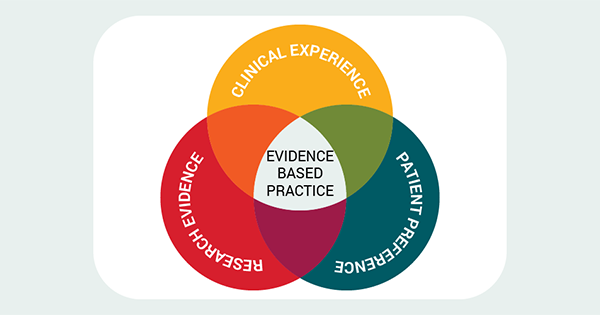
Evidence-based practice merges expertise, evidence, and patient values to improve outcomes (Abu-Baker et al, 2021). The highest quality evidence should be sought, with reference to national guidance like National Wound Care Strategy Programme (NWCSP), Professional Record Standard Body (PRSB), or National Institute for Health and Care Excellence (NICE). If NICE lacks recommendations, clinicians must assess available evidence themselves (Wounds UK, 2023). New products should be added only when justified by evidence (Wounds UK, 2023).
SIT defined specific wound-related product groups with required specifications. For example, in the de-sloughing category, selected dressings had to offer continuous cleaning and proven biofilm reduction. Product selection was based on clinical evidence and tailored to local patient needs. Specialist clinicians, such as burns nurses or podiatrists, contributed their expertise in reviewing relevant products. Pharmacy and medicines optimisation teams also assessed cost impact. WCA explored various supply routes, indirect labour costs, and cost-saving opportunities. For example, staff trained in negative pressure wound therapy (NPWT) from one company benefited from a national pricing matrix offering discounts after reaching a spending threshold. Because procurement was place-based, the WCA could access discounts via NHS Supply Chain.
Wide system change requires overarching governance. DBTH and WCA’s governance included user experience from clinical teams, patient outcome data, and input from procurement, inventory management, and medicines optimisation professionals within the Integrated Care Board [Figure 1].
SWFT promotes a rigorous governance structure for the wound care formulary shown in Figure 2, ensuring that all dressing and treatment choices are carefully reviewed and approved by a multidisciplinary team, pharmacy and procurement. This structured approach involves regular audits, ongoing reviews of clinical evidence, and alliances between wound care specialists. By maintaining tight governance, the Trust ensures that the formulary remains up-to-date, evidence-based and aligned with best practice guidelines. Such oversight is crucial for patient safety, maintaining consistency in clinical decision-making and reducing the risk of treatment inconsistencies, which can be detrimental to wound healing and costly to the organisation.
Clinical pathways
Clinical pathways can reduce waste and improve outcomes by supporting comprehensive assessments and adherence to evidence-based care, ultimately speeding up healing (Guest et al 2017). They also promote sustainability by reducing dressing changes and associated travel, waste and resource use (Wounds UK, 2023). Together, clinical pathways and the formulary are essential tools for driving change (Wounds UK, 2023).
The same principles that apply to evidence-based product selection should also guide wound care processes, with clinicians combining their expertise with the highest level of available evidence and referencing national guidance, such as NWCSP, the Professional Record Standards Body and NICE technology appraisals (Wounds UK, 2023). Empowering clinicians to use pathways as a guide – while retaining clinical judgement – is essential.
While standardisation is important, some variation is necessary due to individual patient needs, preferences and circumstances. Flexibility may be required in cases such as end of life, allergies, personal or cultural considerations. However, such exceptions should be justified, documented and audited to identify trends.
The WCA created clinical pathways before updating the formulary. Once the product list was confirmed, it was integrated into the pathways to ensure consistency between interventions and product use. Examples of DBTH’s pathways can be seen in Figure 3.
Before SWFT developed a virtual formulary, they had no wound care pathways, leading to care variations due to reduced staffing and a junior workforce (Mallorie, 2024). The introduction of pathways has improved standardisation, reduced incidents and enhanced healing and patient outcomes.
Bringing the wound care formulary to life
It is essential that the wound care formulary is easy to use and focused on generic product categories (e.g. foam or hydrocolloid dressings) with brands being added that fit with the product specification (Wounds UK, 2023), to ensure it is utilised in the most effective way possible to ensure patients receive the right treatment the first time Additionally, establishing evidence-based clinical pathways to support decision-making and guide patient care is essential to ensuring the formulary remains comprehensive.
Populating the wound care formulary with images makes it visually appealing, which may encourage more clinicians to use the resource. Where appropriate, QR codes and interactive links should be included e.g. links to wound assessment forms and various tools (Wounds UK, 2023).
The WCA includes pictures of packaging and the products wherever possible, so that the products are easier to identify in practice, reducing waste and ensuring the right care is provided at the right time [Figure 4]. The example from SWFT [Figure 5] shows how they have been able to meet the recommendation of making the formulary visual, having QR codes and interactive links.
SWFT developed a visual and interactive wound care formulary using PowerPoint that sits on a live, easy-to-access website, to improve clinical decision-making and patient outcomes in wound management. This innovative resource combines clear, easy to navigate visuals with up-to-date clinical guidelines, allowing healthcare professionals to promptly select the most appropriate treatments for a wide range of wound types. The formulary improves user engagement, lowers the risk of incidents, and makes sure that treatment pathways are always followed by combining images, processes, and interactive features. The visual approach also aids in the training of new staff, fostering a deeper understanding of wound care practices by directing them to helpful resources and YouTube videos via QR codes. Ultimately, this interactive formulary supports the delivery of high-quality, patient-centred care, streamlining the decision-making processes and contributing to better healing outcomes.
Link to education and support
Education is a key driver for implementing change, reinforcing the importance of evidence-based wound care to improve patient outcomes, boost workforce efficiency and morale, and support sustainability (Wounds UK 2023).
Prior to developing the original wound care formulary, the WCA created a 16-module, evidence- and competency-based education programme. Aligned with NWCS Core Topics/Capabilities, this aimed to reduce unwarranted variation and promote safe, high-quality care for patients with or at risk of wounds (Moore and Delahunty 2023). On reassessment, the programme was found to be well-embedded across the WCA. Modules were based on national and local guidelines, focusing on structured communication, clinical pathways and formulary use. Topics included effective wound assessment, treatment principles, and use of local products and pathways to deliver evidence-based care. The training also covered the mode of action and expected outcomes of formulary products, wound bed preparation (Schultz et al, 2003) and frameworks such as TIMES (Atkin and Tettelback, 2019).
SWFT has also developed a comprehensive tissue viability training programme, in collaboration with the leg ulcer and podiatry teams. This blended learning approach combines face-to-face sessions with virtual study events and online resources, enabling practical training alongside flexible, on-demand learning. Face-to-face sessions enhance engagement, while virtual components offer staff the flexibility to access materials at their convenience, making training widely accessible.
A strong, accessible education programme improves care standards, supports better patient outcomes, and fosters a culture of continuous learning (Skills for Health, 2016). Senior leaders and learning leads are regularly involved to ensure training remains clinically relevant and aligned with service needs.
Ongoing wound care formulary updates
The continuous advance of the wound care formulary necessitates the same focus as on the beginning and planning phases, particularly as healthcare goals evolve and new evidence arises. The maintenance process relies on regular evaluations, and physicians must ensure that a mechanism is established to support these (Wounds UK, 2023). Version control tools should be utilised to monitor and manage alterations to the formulary, and a local record must be maintained documenting the reasoning and justification for specific modifications (e.g. items added or withdrawn), in accordance with the evidence. It is essential for the formulary to be current, and the digitisation of healthcare has facilitated this process. Furthermore, any unpleasant incidents must be reported promptly in accordance with local regulations and procedures, and suitable action should be implemented.
Measuring success
To evaluate and measure success and effectiveness, clinicians should, as a priority, consider patient outcomes and healing rates, which products are being used most, in what quantities, and whether they are being chosen appropriately (Wounds UK, 2023). Other measures can include:
- Patient satisfaction
- Clinician satisfaction
- Adverse events
- Costs over a longer period of time
- Clinical effectiveness.
Developing key performance indicators and monitoring them over time can ensure the formulary is meeting its objectives to measure the performance of the formulary. SIT reviewed the WCA product requests/prescriptions for practice nursing against the previous formulary that was in place over a 4-month period and it showed that in 25% of cases there was non-compliance. The review also undertaken at DBTH and which showed in 4% of cases there was non-compliance.
SWFT strive to learn from incidents and collect learning themes and trends using the patient safety incident response framework (PSIRF). Historically we have always encouraged reporting and investigation of pressure damage but more recently have encouraged staff to also report any incidents relating to wound care. This has allowed us to conduct swarms (a rapid, team-based review conducted under the Patient Safety Incident Response Framework to quickly understand and respond to patient safety incident), where learning has been identified, collecting themes and trends and creating an improvement plan to directly address these.
Reflection and lessons learnt
Effective communication and the use of appropriate language are essential for fostering engagement and collaborative working. For instance, terms like ‘procurement’ may not immediately resonate with all clinical staff, whereas phrases such as ‘providing safe care’ can feel more directly aligned with their day-to-day priorities. At the start of the engagement process, there appeared to be a disconnect between nursing and procurement teams, largely due to differing professional perspectives. Establishing an inclusive and collaborative relationship among all staff was a crucial first step in ensuring meaningful contributions to the review and development processes.
Focusing on the overall health economy is critical; however, there is a need to articulate this better to both clinicians and procurement staff, as the consensus of the nursing staff at the beginning of the process was their frustration with procurement’s views of cost. The nurses were keen to highlight crucial aspects of product suitability besides simply cost, such as usability, safety, quality and patient comfort.
By reducing unwarranted variation in wound care through a collaboration model for wound care products, formulary, pathways and procurement methods the follow could be achieved:
The right care being implemented and sustained in the right place at the right time:
- Care delivery methods.
- Patient outcomes.
- The right category of care being delivered in the right location.
- Optimising specialist capacity enabling demand and complexity to be managed.
Starting is the hardest part of implementing something new. Using change management methodology and published guidance, along with having a mentorship and supportive relationship among colleagues, will help you decipher along the way while remaining focused. Having patience with yourself and the process is important with the development, implementation and sustaining improvements, as the change and impact process is not going to happen overnight. The SIT Nurse Consultant described the process as: “Bringing the pieces together little by little, whilst being prepared to have to change things around and learn from things that didn’t quite fit, like doing a jigsaw puzzle.”
Starting is often the most challenging step. Historically, formularies have remained within Tissue Viability Teams, with decisions made in isolation, an ongoing reality for many trusts. At SWFT, collaboration with specialists and front-line staff is prioritised to gain valuable insights and ensure product selection aligns with patient needs. Strategic leadership by Tissue Viability is essential to ensure formularies are evidence-based, clinically and cost effective, and focused on improving outcomes. Involving the wider MDT promotes a holistic approach, incorporating the perspectives of all services involved in wound care.
Conclusion
Two separate teams from two separate NHS organisations in England SIT at DBTH and members of the WCA, along with the TVT at SWFT identified that by bringing a formulary to life by making it interactive simplifies the use and increases accessibility. In both cases this ensured that the formulary users could access evidence based recommendations through the local wound care formulary and pathways quickly and effectively to ensure appropriate dressing selection and clinical processes were implemented.
It is vital that the development, implementation and sustainability of a live formulary include engagement and collaborative working with the multidisciplinary team of wound care specialists, procurement, medicine management, service users and wherever possible, patients from across the area where it is intended to be used. It was acknowledged that getting started on a change like this is the hardest part by using change management methodology and published guidance, along with having a mentorship and supportive relationship among colleges, it can result in work and change being effective, as it will help with remaining focused throughout the process.