Welcome to the conference issue of the Wounds UK journal. The theme of this year’s conference is: ‘Revolutionising Wound Care: Integrating Technology, Human Touch, and Efficiency for Improved Outcomes’. On the topic of human touch, I will be presenting a session on ‘Caring for Individuals with Dementia: Practical Strategies and Wound Care Considerations’. In this editorial, I explore some key considerations and offer some practical recommendations for healthcare professionals.
Figures from one long-term care facility in Australia reported that 78% of people living with dementia had a wound (Parker et al, 2020). The most common types of wounds in individuals with dementia are pressure ulcers, skin tears and leg ulcers, the likely reasons for which are linked to several factors intrinsic to the condition, for example, reduced mobility, and diminished ability to participate in preventive care routines (Gunanayagam et al, 2022).
Additionally impaired communication means these individuals may be unable to express discomfort from prolonged pressure or may resist repositioning (LeBlanc et al, 2025). The risk is compounded by associated risk factors, such as poor nutrition, polypharmacy and incontinence, which further exacerbate skin integrity (Parker et al, 2020). Yet the reporting of wound surveillance in this population remains inconsistent as not all studies report the number of individuals with dementia.
Furthermore, many wounds may go unnoticed due to the unique challenges posed by cognitive decline (Parker et al, 2020). Hence, strategies to facilitate data collection that considers individuals with dementia are needed to better inform clinical practice.
The complexity of wound care for individuals with dementia presents several clinical challenges for those working in health and social care. For example, many individuals with dementia cannot verbalise pain, discomfort or the presence of a wound (Gunanayagam et al, 2022). Behavioural changes related to dementia may mean that individuals are resistant to dressing changes, wound cleansing or repositioning (Sefcik et al, 2022). This can trigger agitation, fear of aggression and individuals may pull off dressings or refuse care, increasing the risk of infection and delayed wound healing. In addition, the impact of cognitive decline means individuals may not understand or remember advice or instructions they have been given (Gunanayagam et al, 2022).
Additionally, malnutrition and dehydration are common as dementia leads to poor appetite, difficulty swallowing or forgetting to eat and drink (LeBlanc et al, 2025). This can lead to reduced skin integrity and increase the risk of wounds such as pressure ulcers and skin tears. If incontinence is present this can risk moisture-associated skin damage, hence continence management is vital. Comorbid conditions, such as diabetes, vascular disease or heart failure, requiring multiple medications can complicate an individual’s management. These challenges highlight the need for a multidisciplinary, person-centred approach—one that integrates wound care into the broader framework of dementia support.
So, what are some practical strategies that we can use when caring for individuals with dementia requiring skin care and/or wound management? Person-centred communication is key, for example, approach patients calmly and respectfully, using simple language and non-verbal cues. Involve family or caregivers to help interpret behaviours and build trust where possible and avoid rushing — allow time for the patient to process and respond (Dementia UK, 2023a). Prevention strategies should be prioritised to reduce the risk of pressure ulcers and interventions to maintain skin hygiene are vital.
With regards to wound management, aim to minimise trauma during dressing changes, for example, choose products that are atraumatic to reduce the risk of pain and medical adhesive skin injury (MARSI) (Wounds UK, 2023). The use of sterile medical adhesive removers is advisable to avoid skin injury (Nokaneng et al, 2025). In terms of pain assessment, aim to use validated tools, such as the Pain Assessment in Advanced Dementia (PAINAD) or Abbey Pain Scale for non-verbal individuals and observe facial expressions, body language and vocalisations during wound care which may indicate pain and / or discomfort (Holloway et al 2024). Where possible schedule dressing changes during times when the individual is less agitated and consider the use of distraction techniques, for example music, singing (Dementia UK 2023b), familiar objects to ease anxiety and fear. Accurate and informative documentation of all these aspects is essential to ensure continuity of care. Equally important is ensuring adequate nutrition and hydration (Pivi et al, 2012), co-ordinating multidisciplinary care and educating, as well as empowering staff.
Specific training for dementia-specific wound care challenges which encourages empathy and patience is needed as is promoting a culture of vigilance for early detection of potential issues. Returning to the notion of ‘human touch’ everyone providing care for individuals with dementia must respect the principles of autonomy and ethics which means seeking consent for any aspect of care, which may be via a legal proxy or caregiver. Balancing clinical need with an individual’s comfort or preferences is also important as is avoiding unnecessary interventions that may cause distress of confusion.
In concluding, I’d like to reflect on a few key areas, beginning with the prevalence of wounds among individuals living with dementia. I think we could improve wound surveillance for this vulnerable group, so I would like you to consider how you can not only improve reporting of wound types but also develop strategies for prevention and early detection. Appreciating that there are unique challenges posed by cognitive decline, for example, communication barriers and behavioural resistance there are solutions. These include person-centred strategies and multidisciplinary collaboration which respect an individual’s dignity and support compassionate practice. Investment in training and advocating for research that includes — not excludes — those with dementia also needs to happen (Dementia UK, 2024).
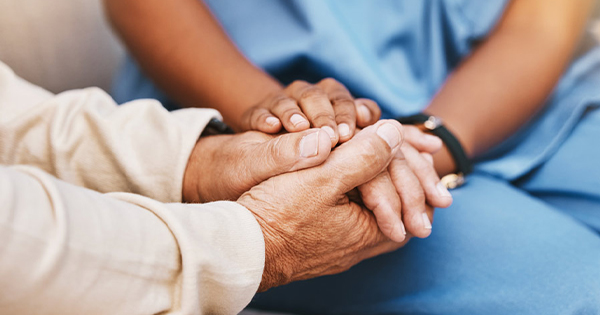
Fundamentally, the human touch means seeing the person behind the diagnosis and treating the wound not just as a clinical issue, but as a human one.