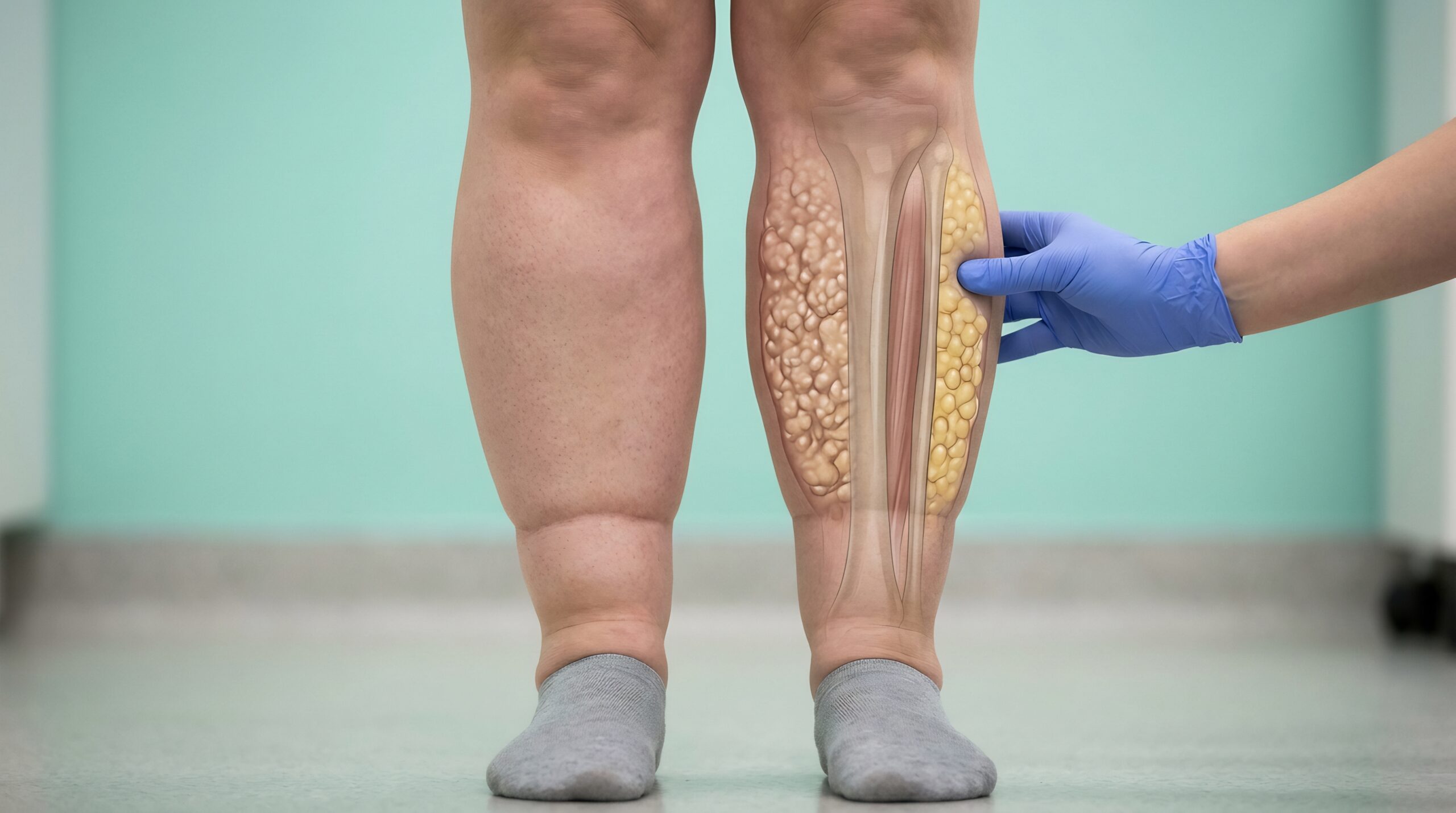
Malignant wounds can have a devastating impact on patients and their relatives, causing considerable physical and psychological distress. This distress can be overwhelming and significantly affect an individual’s overall quality of life (QoL; White and Kondasinghe, 2022).
A malignant wound refers to a wound caused by cancer, while a fungating wound refers to when the tumour breaks through the skin surface (Ousey et al, 2024). These wounds are caused by direct cancer cells that have invaded the dermis and epidermis, manifesting as an ulcerative lesion through the skin surface, involving supporting blood vessels and structures (Ousey, 2024). They are also referred to as malignant tumours, malignant wounds, cancerous wounds/lesions or ulcerating wounds (Cancer Research, 2023).
As the malignancy progresses, it disrupts the local blood supply and exceeds the tissue’s perfusion capacity, resulting in hypoxia and subsequent tissue necrosis (Emami et al, 2021). Malignant wounds may present with a proliferative growth pattern, characterised by an elevated, nodular appearance resembling a cauliflower, or an ulcerative growth pattern, which resembles a crater. Some wounds may exhibit a combination of both patterns (Starace et al, 2022). Essentially, the proliferation growth pattern will grow outwards from the skin surface and the ulcerative growth pattern will grow inwards.
Given the advanced stage and progression of the disease, life expectancy may be limited to six to twelve months. Consequently, care often focuses on palliative and end-of-life management, with an emphasis on alleviating the distressing symptoms associated with these wounds and improving the patient’s QoL (Starace et al, 2022).
Malignant wounds commonly present with symptoms such as pain, bleeding, pruritus, exudate, infection and malodour, which can significantly affect patients’ psychological wellbeing. However, malodour and exudate are frequently reported by patients as the most distressing symptoms (Ousey et al, 2024).
Every individual has a unique natural body odour, which is often masked or modified through the use of fragranced products such as deodorants, soaps and perfumes. These products can promote a sense of cleanliness, confidence and personal wellbeing. However, when an odour originates from a source that is beyond an individual’s control and is difficult to conceal, the psychological impact can be significant. This distress may be further exacerbated when the odour intensifies due to infection caused by aerobic or anaerobic bacteria, potentially contributing to feelings of uncleanliness (Gethin et al, 2025). As the malignancy progresses and the wound deteriorates, odour may also change or increase due to the accumulation of devitalised tissue, including necrotic tissue and slough (Finley, 2025).
A series of case studies was conducted to evaluate the effectiveness of Cinesteam® in managing malodour associated with fungating wounds. The studies aimed to explore the experiences and perspectives of individuals living with these wounds, with the ultimate goal of improving their QoL for the remainder of their lives. Addressing malodour directly may help enhance self-esteem, alleviate anxiety and reduce social isolation, thereby positively influencing patients’ psychological and social wellbeing (Marshall, 2022).
Background
Charcoal-based wound dressings have been used in wound care since 1811 and have long been an established method of odour management (Sanchez, 2020). What is more interesting, is that cinnamon has been around for many more years, since at least 2800 B.C, (Kawatra, 2015), but charcoal dressings have been the preferred choice, until now.
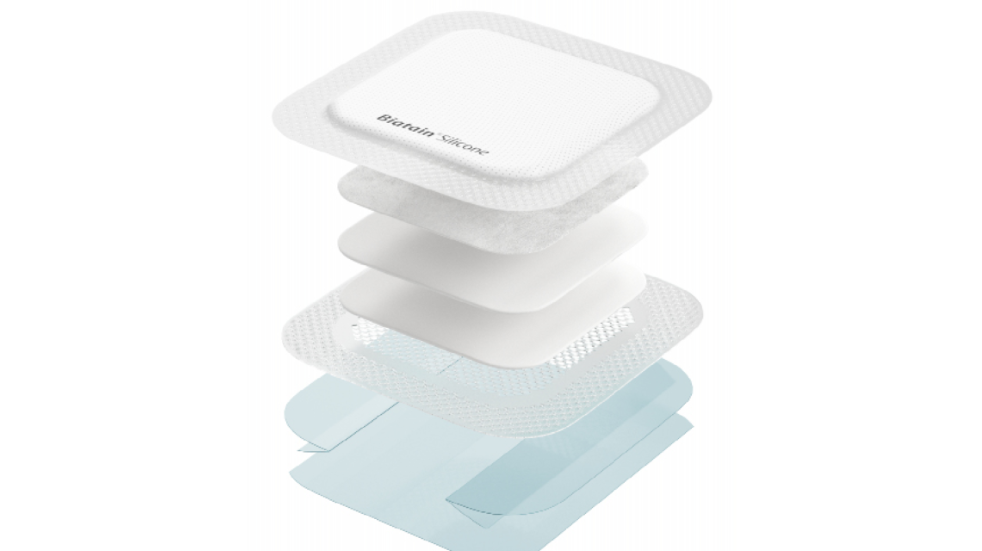
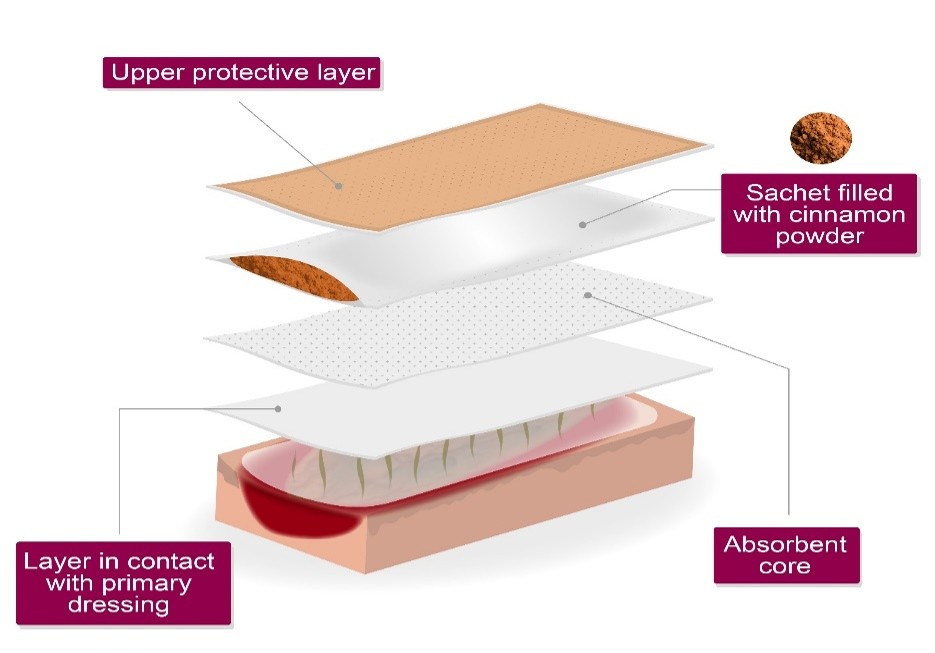
Cinesteam®, an innovative cinnamon-based, non-adhesive secondary dressing has now been produced. Designed with a triple-action mechanism [Figure 1], Cinesteam® aims to manage unpleasant wound odours by neutralising volatile compounds, releasing a natural spice fragrance, and absorbing wound exudate (Ngô et al, 2025).
Method
The evaluation was conducted between May and August 2025 among patients receiving care at South Tyneside and Sunderland NHS Foundation Trust (STSFT) in the North East of England. Participants were either from inpatient services or the surrounding community.
Five patients with malignant malodorous wounds were recruited, following referrals to the Tissue Viability Team. The five patients were aged between 61-81 years, with wounds to the sacrum/buttocks, upper thigh/groin, and sternum/chest wall. All patient details were anonymised within this case study. Each patient was identified as 1, 2, 3, 4 and 5.
Three patients displayed a proliferative growth pattern, one patient displayed an ulcerative growth pattern, and the remaining patient displayed a mixed appearance (both proliferative and ulcerative growth pattern).
A cinnamon odour control dressing was introduced to manage malodour, so that qualitative feedback could be obtained. On initial assessment an introduction was given of the author’s role and the rationale of the informal evaluation. Participants were informed that the author was undertaking a case study in collaboration with CD Medical to evaluate the effectiveness of Cinesteam®, a cinnamon-based dressing, in reducing or eliminating wound malodour. They were advised that information would be collected using an evaluation form, which included questions relating to general patient information, wound dimensions and location, wound appearance, and associated symptoms. It was explained that this would be done during the pre-wound assessment on day 1, at mid-point on day 7 +/- then day 14, +/- 48 hours for the final assessment.
The assessment form included an odour scoring system of “None”, “Slight”, “Moderate”, and “Strong”. This was collected from the five patients and their families. An overall rating score was obtained at the end of each study.
Ethical approval and patient consent
This case study was approved by the STSFT Clinical Effectiveness Department (Reg No: SE-87/2025). Information Governance and Caldicott Guardian (Id: CGA-2025-066). Written consent was also obtained from all participants (patients and family members). All five patients were happy for their wounds to be photographed and published.
Results
Overall, the dressing performance was well evaluated by both patients and their families [Table 1].
Wound malodour varied among the five patients; however, the findings demonstrated a reduction in odour across all cases during the evaluation period. At the final assessment, 80% of patients reported slight malodour, which was primarily associated with wound location and infection, while the remaining 20% reported no odour.
All patients (100%) reported the dressing’s odour control as “Very Good” or “Good.” The majority (80%) responded positively to the cinnamon scent, while one patient (20%) found it distressing due to its association with Christmas. Nevertheless, the patient felt it was better than a “rotten wound” smell.
All patients expressed satisfaction with the use of Cinesteam® cinnamon dressing for managing wound malodour. One patient reported being “grateful” for the positive difference it made to their family, while another described the scent as “comforting”. These responses suggest that the dressing may have a positive impact on patients’ QoL and their experiences of living with a malodorous wound. All patients reported that the dressing was easy to apply, rated its removal as either “Very Good” or “Good”, and continued using it after the evaluation period. A notable reduction in odour awareness was reported. However, the views of family and caregivers was very different and depended on other factors such as infection, exudate and time in between dressing changes from healthcare professionals.
Two family members expressed concerns regarding a perceived lack of education and confidence among healthcare staff when managing malignant wounds, particularly when staff were newly qualified or had limited experience with this type of wound. These concerns are supported by Cornish et al (2024), who highlighted the challenges nurses face when caring for patients with malignant wounds. These include difficulties with dressing application, managing malodour and other associated symptoms, and coping with the emotional demands of wound care. The author further emphasised the need for additional education, knowledge, appropriate resources, sufficient time and professional support to enable nurses to provide effective and compassionate care.
The families felt that odour and other wound symptoms were better managed when their loved ones were admitted into a hospice care setting. This was largely attributed to the provision of 24-hour nursing care, which enabled dressings to be changed promptly and facilitated more effective management of wound malodour.
Case studies
Patient 1: Male aged 68 years old
There were several wounds that involved the sacrum, both buttocks and perineum [Figure 2]. The growth pattern was ulcerative/erosive, resulting in the formation of cavities.
On initial assessment: There are three ulcer wounds. The central wound measured 12.5cm x 4.5cm, adjacent to this, the bottom left ulcer measured 6.5cm x 4cm and the bottom right ulcer measured 3.5cm x 3cm. All three wounds comprised 100% firmly adherent slough and presented with purulent discharge, high levels of exudate and profound malodour. Excoriation was also evident in the surrounding skin.
Comments: Patient 1 was very interested and willing to try alternative options to reduce odour symptoms and improve QoL. Patient 1 “liked” the cinnamon scent, had no adverse reactions from the dressing and reported the dressing’s odour control as “Very Good”.
After 14 days: The family reported a slight reduction in wound malodour; however, Patient 1 did not notice any change in the odour or the cinnamon scent of the dressing. It is possible that he had become accustomed to the smell due to prolonged exposure. Unfortunately, following his sudden passing, it was not possible to investigate this further or obtain additional feedback.
As a result, it was difficult to determine the overall effectiveness of the dressing from the patient’s perspective or whether his QoL had improved. Although Patient 1 remained positive and engaged throughout the evaluation, his family expressed concerns about the care provided by the healthcare professionals. They felt that some staff, particularly those who were newly qualified, lacked experience in managing malignant wounds. Despite these concerns, Cinesteam® appeared to reduce malodour slightly, providing some comfort to the family. However, they highlighted the need for further education and training in wound odour management.
Patient 2: Female aged 84 years old
The wound was located on the right upper thigh/groin area [Figure 3]. It displayed a raised, dome-shaped appearance, consistent with a proliferative growth pattern, with areas of congealed blood present.
On initial assessment: The wound measured approximately 8cm in height (i.e. protrusion from the surrounding skin surface) to the right upper thigh/groin area, with a wound surface area of 4cm x 3cm. The surrounding tissue exhibited induration, accompanied by offensive malodour and a moderate amount of serosanguineous (blood-tinged) exudate.
Comments: Patient 2 did not fully comprehend the extent of her wound due to her dementia. However, her two daughters were very involved in her care and were grateful that all wound-related symptoms including malodour were addressed. Patient 2 frequently asked her daughters, “What is that smell?” On one occasion, while walking downstairs in her nightgown, it opened, prompting her to ask, “Is that smell me, do I smell?” This incident caused distress to her family.
After 14 days: Wound malodour reduced significantly, with the family rating the odour as “Slight”. However, the intensity of the odour fluctuated due to episodes of active bleeding and warmer weather conditions. Patient 2 and her family “liked” the cinnamon scent with no adverse reactions from the dressing. The dressing’s odour control was reported as “Very Good”. Cinesteam® application continued thereafter due to deterioration of wound. Cinesteam® application continued due to wound changes, the dome presention was no longer upright and firm, but of a collapsed apperance, with greyish devitalised slough and high levels of exudate. The family felt that wound malodour and other associated symptoms were not always addressed by the healthcare professionals, particularly due to the lengthy intervals between dressing changes. Patient 2 sadly deteriorated and was admitted to a local hospice. Follow-up support was provided throughout this period regarding dressing management, including wound odour control. The family felt that access to 24-hour nursing care enabled dressings to be changed promptly when required, making wound malodour easier to manage.
Patient 3: Female aged 63 years old
The wound was located at the sternum and right upper clavicle [Figure 4], exhibiting a combination of proliferative and ulcerative growth patterns.
On initial assessment: The wound measured 10cm x 8cm, with a central depth of 4cm. The wound produced high levels of exudate, strong malodour and active bleeding to peri-wound edges. Palpable bone was also present with osteomyelitis. The surrounding tissue was indurated, and the wound was associated with recurrent infections. Additionally, a small, cauliflower-like lesion was present on the left side of the neck, adjacent to the primary wound.
Comments: Patient 3 had been self-caring for her wound for some time prior to healthcare professional involvement. There was a sense of relief displayed from family members that wound symptoms were now being addressed.
After 14 days: Odour reduction was noted; application of Cinesteam® continued. There were no adverse reactions for the dressing. Patient 3 rated her wound malodour as “Slight”, indicating a reduction from the previously reported strong odour. However, this improvement cannot be attributed solely to the dressing, as she also commenced antibiotic treatment for an ongoing infection, which may have contributed to the reduction in odour. Nevertheless, the combined approach appeared to improve wound odour and positively influence her QoL.
Unfortunately, as the wound rapidly deteriorated, Patient 3’s engagement also changed. She became increasingly withdrawn and no longer wished to view her wound or participate in its management. This change coincided with her growing acceptance that her disease was progressing. This patient also described a negative association with the smell of cinnamon — she associated this with Christmas, and Christmas to her was a reminder of when someone close had passed away.
Patient 4: Female aged 78 years old
The wound extended across both buttocks, the natal cleft, anus, and vulva [Figure 5], with a proliferative appearance.
On initial assessment: The wound measured 18 × 16 cm and comprised 100% granulation tissue, with low levels of exudate. A strong odour was noted, potentially due to unknown structure involvement, such as the anus. The duration of the wound at presentation was unknown, as the patient had been managing it independently for some time and had become accustomed to the odour and other associated symptoms. The wound was first identified during a healthcare professional visit to obtain a blood sample, when odour was noted.
Comments: The family of Patient 4 were informed of the wound and expressed shock that their mother had not disclosed this to them. They believed that embarrassment regarding its location may have contributed to her reluctance to seek support and keep this to herself.
After 14 days: Patient 4 rated the wound malodour as “No Odour”, although the observed odour level ranged from slight to none. It was not possible to determine whether this outcome was attributable solely to the Cinesteam® dressing, the daily wound care provided by the healthcare staff, or a combination of both. Patient 4 reported that she “liked” the cinnamon scent, experienced no adverse reactions, and rated the dressing’s odour control as “Good”.
At the final assessment, the overall outcome was positive, with an improvement in QoL. This improvement was largely attributed to effective management of wound-related symptoms through the combined support of the healthcare professionals, care agency staff, and family members.
Patient 5: Female aged 62 years old
The wound involved the right buttock, perineal region and labia [Figure 6], presenting with proliferative tissue and satellite ulcerative nodular lesions.
On initial assessment: There was an extensive mass involving the entire vagina, extending into the bladder, urethra, rectum, and mucosal tissues. The wound bed comprised 30% slough and 70% granulation tissue, with high levels of exudate containing faecal matter. Moderate malodour was present, alongside evidence of localised and spreading infection. Induration was also noted in the surrounding tissue.
Comments: Patient 5 stated that her wound “stunk” at the beginning; she was grateful that odour was addressed as she felt unclean.
After 14 days: The dressings reduced wound malodour, with the patient rating the odour as “Slight”. Malodour control was achieved on most days, although this was not consistently maintained. Occasional difficulties were attributed to the wound’s anatomical location and associated symptoms, including excessive bleeding and faecal soiling via the vagina and per rectum. Patient 5 “liked” the cinnamon scent and developed no adverse reactions from the dressing application. The dressing’s odour control was reported as “Good”. Unfortunately, Patient 5’s wound deteriorated, alongside chronic oedema affecting both lower limbs, upper thighs, genital region, and lower abdomen, contributing to increased pain. She was subsequently admitted to the local hospice for end-of-life care, which included ongoing wound management. Follow-up support was provided throughout this period, focusing on dressing selection and malodour management. In the days preceding her death, both family members and healthcare professionals felt that Cinesteam® dressings had contributed positively to odour control, supporting her comfort and dignity during end-of-life care.
Discussion
Although a formal QoL assessment was not undertaken in this study, the impact of wound-related malodour and its effective management on an individual’s QoL is well recognised (Stuermer et al, 2025). Effective odour management is essential to improving QoL and reducing the risk of social isolation. Patients should not have to endure the emotional burden of feeling “dirty” or accept wound malodour as part of their daily lives (Gethin et al, 2023).
However, it is important to note that malodour can also be a significant indicator of infection and, therefore, clinicians need to distinguish what is ‘normal’ during wound assessment before applying a cinnamon-based dressing (Fletcher, 2008).
During this case study it was evident that more education and resources are still required. The main issues highlighted were time and education. If healthcare professionals are not given the time and the resources to provide holistic wound care with clear guidance or the necessary information, then staff will continue to feel inadequately prepared, frustrated, helpless and stressed. Additionally, patients, their families, and caregivers may continue to feel unsupported and experience negative care outcomes.
In 2025, the European Wound Management Association (EWMA) highlighted that wound care education and research tends to focus on chronic wound such as venous, diabetic, and pressure ulcers, with limited attention towards palliative/malignant fungating wounds. Additionally, the World Health Organisation (WHO, 2020) have stipulated that palliative wound care, is poorly understood and under-researched.
Nevertheless, thorough and holistic wound assessment should be the main focus for all patients with all types of wounds, including malignant wounds. This approach may help minimise the exacerbation of wound-related symptoms and promote improved clinical outcomes. In turn, effective symptom management can enhance patients’ QoL and contribute to a more positive care experience for their families and caregivers (Cornish, 2023).
Conclusion
Throughout this case study, all five patients received care from the healthcare professionals, supported by the Tissue Viability Team. However, significant workload pressures were evident among nursing staff, largely attributable to increasing patient numbers and reduced staffing levels. These challenges contributed to delays in wound care, placing additional strain on families and caregivers and negatively affecting their overall care experience.
All five patients subsequently passed away due to disease progression, underscoring the advanced nature of these malignant wounds and the importance of interventions that can support comfort and dignity during end-of-life care.
Of particular distress to family members was the lasting memory of their parents feeling ‘dirty’ in the days before their death, with wound malodour becoming a prominent and distressing association with their final moments. Furthermore, healthcare professionals expressed feelings of helplessness when effective odour management could not be consistently achieved, particularly in the context of increasing pressures on community services.
Malodour is described as one of the worst symptoms that can have a profound impact on individuals wellbeing, so why is the psychological impact poorly investigated (Takamizawa, 2024)? Especially if individuals feel ‘dirty’ or ‘repulsive’ from a wound odour, leading to social isolation (Finley, 2025). Mahoney (2026) also highlights the challenges healthcare professionals face due to inconsistencies in wound odour assessment, emphasising the need for further research to develop a standardised assessment tool that supports effective odour management and improves patients’ QoL.