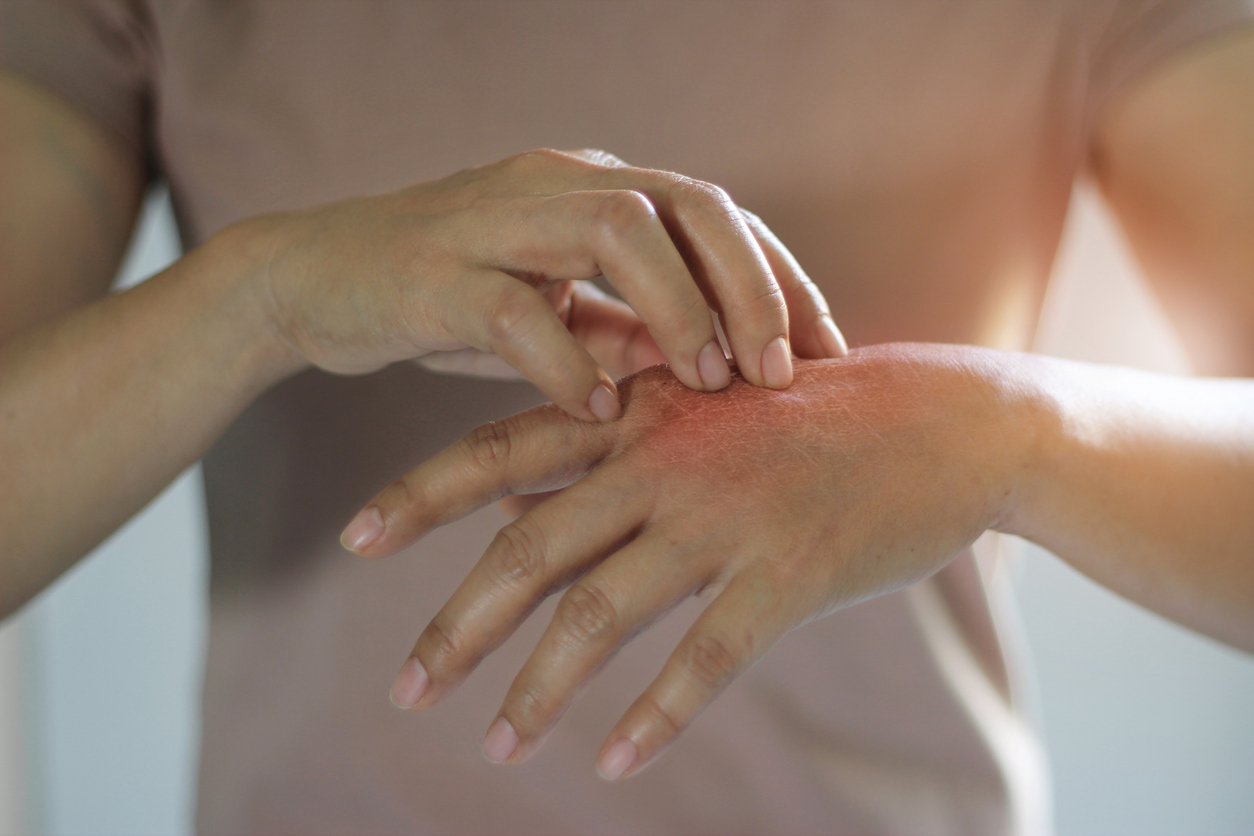
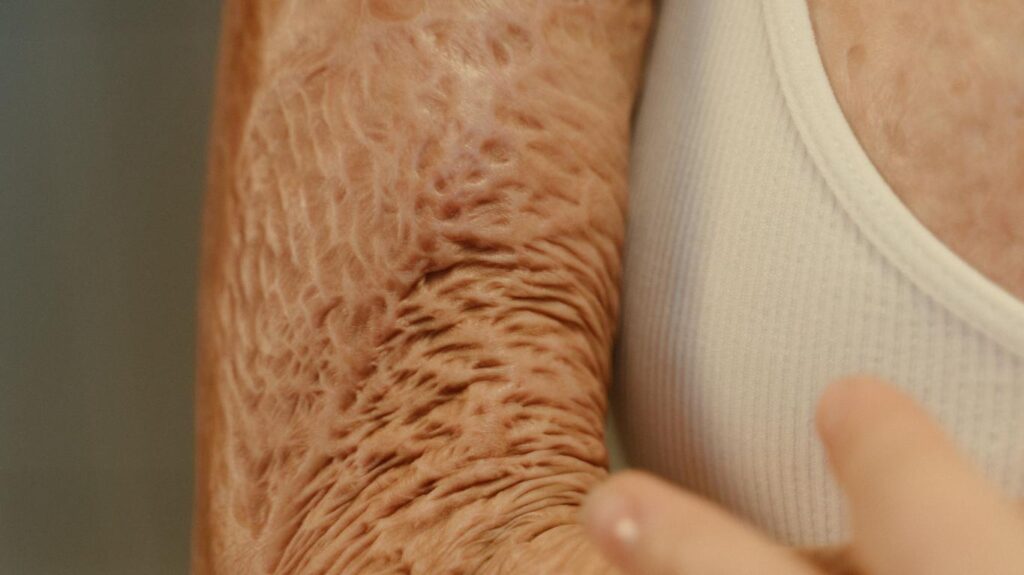
Skin frailty is generally defined in the literature as a decline in the skin’s structural integrity and ability to withstand mechanical stress, often linked to aging, chronic disease, or genetic conditions (Rockwood and Mitnitski, 2007). The key features of skin changes include:
- Reduced elasticity and thinning of the epidermis and dermis.
- Impaired immune response.
- Slower cellular turnover.
- Diminished microvascular function.
- Increased vulnerability to external forces (shear, friction, moisture).
Collectively, this means that the skin can have a reduced ability to recover from even minor trauma.
Skin frailty and general skin aging overlap, but they are not the same. Aging is universal and gradual; frailty is a pathological loss of resilience that goes beyond normal aging. The clinical significance of skin frailty meaning that it is more than purely a cosmetic change it infers a degree of vulnerability (Beeckman et al, 2020).
Skin frailty is best understood as the reduced physiological reserve of the skin, making it less resilient. It involves:
- Pronounced thinning and atrophy.
- Loss of tensile strength.
- Fragile blood vessels.
- Poor wound healing.
- High susceptibility to skin tears and deep haematomas
Skin frailty versus skin fragility
Skin frailty can also be referred to as a chronic condition of cutaneous insufficiency/fragility syndrome characterised by thin skin and a tendency to bruise easily, often without an apparent cause (Dyer and Miller, 2018). This condition is typically observed with advanced age, but can also be associated with chronic sun exposure and long-term corticosteroid use, and is termed dermatoporosis (Kaya and Saurat, 2007; Kaya et al, 2022). It is associated with bleeding and complications in wound healing, reflecting a state of chronic skin fragility due to aging.
Severe complications can include deep dissecting haematomas (Kay et al, 2007). The pathogenesis of dermatoporosis involves multiple risk factors and mechanisms that contribute to the deterioration of skin integrity over time, essentially describing skin atrophy. In some contexts, “skin fragility” refers to genetic or inflammatory disorders where the skin’s structural proteins are compromised. For example, epidermolysis bullosa, where minor friction can cause blistering due to impaired dermal–epidermal adhesion.
The interchangeable use of the terms skin frailty and skin fragility may not be appropriate because they describe different concepts. Frailty relates to reduced resilience (systemic and functional) and is multifactorial usually as the result of a combination of intrinsic and extrinsic factors (Moncrieff et al, 2015). Fragility is associated with reduced strength (structural and local) of the skin itself [Table 1].
Skin fragility and skin frailty increase the risk of developing a wound, but skin frailty infers a broader context of multisystem decline. Skin frailty can be linked to frailty syndrome (Fried et al, 2001; Xue, 2011), which involves the decline of multiple organ systems, often seen in older adults (Kottner et al, 2013). Specifically, the five main frailty syndromes include falls, immobility, delirium, incontinence and susceptibility to medication side-effects (related to polypharmacy; British Geriatric Society 2026).
Groups at risk of skin frailty
Individuals with long-term conditions, such as spinal cord injury, those who are critically ill, obese or receiving treatment for cancer, are also at risk of skin frailty due to the associated skin changes leading to a potential sequalae of problems [Table 1].
Risk factors for skin frailty
Langemo et al (2021) discussed that skin frailty refers to the increased vulnerability of the skin to injury due to intrinsic and extrinsic factors. Risk factors include age, UV radiation damage, genetic conditions (e.g. ichthyosis), medications, irritants, maceration from incontinence, repeated skin cleansing, environmental damage and underlying illnesses (Beeckman et al, 2020).
The barrier function of the outermost layer of the skin (the stratum corneum) should provide a water-permeable barrier through lipid composition (Bale et al, 2004). Repeated washing with detergents and soaps can damage this barrier, leading to irritant contact dermatitis (Campbell et al, 2016). Damage to the skin barrier can increase water loss, causing dryness and vulnerability (Sparr et al, 2013), whereas healthy skin resists external irritants and maintains integrity, ensuring a healthy balance of transepidermal water loss (LeBlanc et al, 2018).
The skin’s acid mantle protects against bacteria and pollutants while regulating sebum and water balance (McNichol et al, 2018). Maintaining an optimal pH of 4.5–5.5 is crucial to prevent skin damage. Hence, there is synergy in the risk factors for skin frailty, meaning that an integrative approach is needed to address these (Campbell et al, 2016; Beeckman et al, 2020).
Assessment and management of skin frailty
Skin frailty can be viewed as a critical indicator of overall health, and addressing it holistically can prevent complications, improve quality of life, and reduce healthcare costs (Beeckman et al, 2020). Therefore, early identification and assessment of skin frailty is vital. This can be achieved through a comprehensive skin assessment, including medical history, mobility, nutrition, and psychosocial factors (Wounds UK, 2025).
In relation to skin fragility, early signs of vulnerability, e.g. dryness, atrophy, bruising, previous skin tears should be assessed. It is also important to consider skin turgor. Poor turgor (slow tenting of the skin) reflects dehydration status and age‑related loss of elasticity, as well as significant weight loss or malnutrition (Goehring et al, 2022). While poor turgor can indirectly suggest such vulnerabilities, it does not reliably measure the thinning, atrophy, weakened capillaries or reduced subcutaneous tissue associated with true skin fragility. Therefore, turgor is best viewed as a supportive observation within a broader holistic skin assessment rather than a primary marker of skin vulnerability.
A comprehensive approach to management of skin frailty is essential, including regular moisturising with topical emollients, maintaining an individual’s nutrition and hydration, encouraging mobility and addressing polypharmacy issues (LeBlanc et al, 2018). The skin should be protected from mechanical forces using soft clothing and safe handling techniques. Additionally, frailty syndromes, such as immobility and incontinence, which can exacerbate skin frailty, need to be considered and require implementation of repositioning schedules and prevention of moisture associated skin damage (Beeckman et al, 2020). Education for caregivers and patients on skin care is also important, as is a multidisciplinary approach to maintaining skin integrity (Wounds UK, 2018, 2025).
Ultimately successful management of skin frailty requires careful planning, evidence-based practices, stakeholder involvement, and ongoing evaluation which should be brought together in a coordinated approach in health and care facilities. This means that multidisciplinary teamwork which combines the expertise of geriatrics, wound care and dermatology is needed to ensure interventions to address skin frailty are tailored to an individual’s needs.
Skin frailty and chronic wounds
Skin frailty increases the likelihood of both developing wounds and experiencing delayed healing once wounds occur (Ferris and Harding 2020). Frail skin is typically characterised by epidermal thinning, loss of dermal collagen and elastin, and reduced cohesion between the epidermis and dermis, making it far more vulnerable to mechanical forces such as friction, shear or minor trauma (Beeckman et al, 2020). These structural changes mean the skin can separate easily, leading to skin tears, which may progress to chronic wounds if not managed promptly and appropriately (LeBlanc et al, 2018). Ageing and frailty further compound these risks because they slow cellular regeneration, impair inflammatory and immune responses, and reduce microvascular perfusion, increasing infection risk and prolonging healing times (Gould et al, 2020).
Early, proactive management of frailty and age-related skin changes – such as optimising nutrition and hydration, maintaining mobility, supporting skin integrity with emollients, and reducing mechanical loading through safe handling practices – may help prevent minor injuries from deteriorating into chronic wounds (Beeckman et al, 2020).
Ferris and Harding (2020) proposed that chronic wounds often arise in frail individuals; therefore, there is merit in considering them as a distinct frailty syndrome. This reinforces the need for healthcare professionals to adopt comprehensive and systematic approaches to assessing frailty in patients with, or at risk of, wounds (Gould et al, 2020).
Conclusion
Skin frailty represents a distinct and clinically significant state of reduced cutaneous resilience that extends beyond normal ageing. By differentiating skin frailty from skin fragility, this article highlights the importance of recognising both the systemic and local factors that contribute to vulnerability in the skin. Understanding these distinctions is essential because skin frailty not only increases susceptibility to injury, but also plays a central role in delayed healing and the development of chronic wounds. The evidence demonstrates that skin frailty arises from both intrinsic and extrinsic influences, affecting diverse patient groups and often signalling broader physiological decline. Early identification through comprehensive assessment, coupled with proactive, holistic management, is critical. Interventions that support skin barrier function, optimise nutrition and hydration, reduce mechanical forces, and address comorbid frailty syndromes are needed. Ultimately, recognising skin frailty as an important issue in clinical care should prompt a preventative, person centred approach. This needs to be supported by multidisciplinary collaboration if we are to improve outcomes for individuals with skin across health and care settings.