This article reports the findings from the Advanced Medical Solutions symposium at Wounds UK Annual Conference 2025. The symposium explored the scientific basis, clinical evidence and real-world impact of polyhexamethylene biguanide (PHMB)-based dressings, particularly those formulated using Advanced Medical Solution’s Raponic™ Technology and highlighted how this antimicrobial platform can support infection management, pain reduction, wound progression and patient Quality of Life. The symposium also reflected broader shifts within UK wound care policy, including the emphasis on earlier identification of infection, reduction of variation in practice and the drive for greater use of evidence-based technologies within community services.
Alex Lawton, Senior Product Manager at Advanced Medical Solutions, reviewed the science and mechanism of PHMB and described the development of Raponic™ Technology, a next-generation PHMB formulation designed to mimic the function of antimicrobial peptides and disrupt biofilm in chronic wounds. Lawton also emphasised emerging scientific understanding around chronic wound microbiomes and how shifts in biofilm behaviour can hinder healing, positioning PHMB as a solution.
Rebecca Forder, Senior Clinical Research Manager at Advanced Medical Solutions, reported outcomes from the largest clinical evaluation to date of a PHMB Foam dressing: an open-label, single-arm study involving 185 patients with moderate to heavily exuding wounds. The study found that 81.4% of patients no longer had signs and symptoms of infection; total wound area reduced by 75.7%; 94.6% had measurable healing progress; 98.8% had effective exudate management; and 84.4% reported pain reduction within 7 days. The evidence from the clinical study supports the use of ActivHeal® PHMB Foam dressing range as an effective dressing for promoting infection resolution in wounds showing the signs and symptoms of infection, wound progression and reduction in pain.
Heather Ogle, Lead Nurse Tissue Viability at Western Health and Social Care Trust, discussed the psychological, social and functional burden of chronic wounds and shared findings from a small evaluation examining the impact of PHMB dressings on patients’ Quality of Life outcomes within a community setting, bringing a patient-centred perspective.
Chronic wound management remains a significant challenge for clinicians globally. Rising prevalence, increasing complexity of comorbidities and escalating pressures on healthcare systems necessitate effective, safe and resource-efficient interventions (Falcone et al, 2021). Inappropriate or excessive use of systemic antibiotics in chronic wound care contributes to antimicrobial resistance and risks poor clinical outcomes (GOV.UK, 2025). Local antimicrobial strategies, such as PHMB, therefore play an important role, particularly in settings where bacterial burden, biofilm or clinical signs of infection inhibit healing (Barrett et al, 2010).
The symposium provides an overview of how PHMB dressings can address key barriers to healing by managing infection, reducing pain, improving wound progression and supporting patient wellbeing. These insights contribute to the growing evidence base around PHMB and help inform best practice for clinicians managing chronic wounds in community, acute and outpatient environments.
PHMB and Raponic™ technology: A safe and effective antimicrobial platform
PHMB mechanism of action
PHMB is a cationic polymer that binds strongly to the negatively charged phospholipid of bacterial cell membranes. This disrupts the integrity of the cell membrane, causing leakage, structural breakdown and bacterial cell death (Kathuria et al, 2021). In vitro studies demonstrate that PHMB can reduce bacterial load by 99.99% within 30 minutes, highlighting its rapid antimicrobial effect (Harding et al, 2022). Its multi-modal action is important in chronic wounds where bacteria often organise into structured biofilms that are resistant to conventional therapies (Rippon, Rogers and Ousey, 2023).
PHMB binds to bacterial DNA and nucleic acids, precipitating them out of solution, another mechanism that contributes to bacterial inactivation (Allen, Morby and White, 2004). PHMB doesn’t damage mammalian cells, owing to critical differences in membrane structure and phospholipid content (Ntow-Boahene et al, 2023). This selective action is central to the safety of PHMB dressings and supports their use on fragile or newly formed tissue. This makes PHMB suitable for use during multiple stages of wound healing, including granulation and epithelialisation, without impeding tissue regeneration or causing unnecessary discomfort (Wound Healing and Management Unit, 2020).
Raponic™ Technology
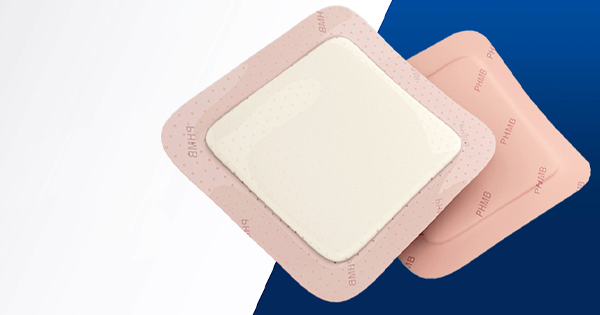
Advanced Medical Solutions’ Raponic™ Technology builds on the natural properties of PHMB by formulating it to mimic the behaviour of naturally occurring antimicrobial peptides (Advanced Medical Solutions, 2025). Raponic™ Technology enhances the ability of PHMB to disrupt biofilm and maintains a sustained antimicrobial effect for up to 7 days (Advanced Medical Solutions, 2025). It offers broad-spectrum activity against pathogens commonly found in chronic wounds while remaining gentle on healing tissue, with non-cytotoxic performance and high cell viability (>98% in in-vitro studies). This extended antimicrobial window supports less frequent dressing changes, which is especially valuable for patients experiencing pain or for those with limited access to regular clinical review (de Mattos et al, 2019). Raponic™ Technology maintains prolonged antimicrobial protection between dressing changes and effectively targets microorganisms embedded within biofilm structures, which are typically more resistant to conventional treatments (Advanced Medical Solutions, 2025). The technology also provides high absorbency, fluid-locking performance and conformability, all of which contribute to patient comfort and protection of the periwound skin (Advanced Medical Solutions, 2025).
By offering a combination of antimicrobial effect, exudate management and tissue-friendly performance, Raponic™ Technology aligns with current national wound care pathways advocating for interventions that reduce variation and accelerate treatment decisions.
PHMB and antimicrobial stewardship
Effective antimicrobial stewardship is a priority in wound care. Overuse or misuse of systemic antibiotics can drive antimicrobial resistance and expose patients to risks (Mittal et al, 2020). Local antimicrobial agents, such as PHMB, offer an alternative means of reducing bacterial burden and supporting healing without contributing to systemic antibiotic pressure (Barrett et al, 2010). This is particularly relevant in the UK, where a significant proportion of antibiotic prescriptions originate in primary care settings (McCloskey et al, 2023).
PHMB contributes to stewardship through:
- Antibiotic sparing: Local antimicrobial action reduces reliance on systemic antibiotics for managing wound infection
- Effectiveness on resistant pathogens: PHMB demonstrates rapid and sustained effects against resistant organisms, including ESKAPE pathogens
- No known resistance: PHMB’s mode of action targets highly conserved bacterial components, reducing the potential for resistance development
- Favourable safety profile: Minimal systemic absorption, low toxicity and compatibility with new tissue make it suitable for a wide range of wounds (Gray et al, 2010).
PHMB dressings allow clinicians to escalate treatment promptly when early infection signs appear. By reducing infection burden and supporting wound progression, PHMB-based dressings can help minimise complications, reduce treatment delays and optimise antimicrobial choices, key components of both national and international stewardship frameworks (Rippon, 2024).
Clinical evidence: Outcomes from a 185-patient study of PHMB Foam dressings
Conducted at a single investigational site in South Africa between November 2020 and April 2024, the open-label, single-arm study enrolled 185 adult patients (172 completer population) with moderate-to-heavily exuding acute and chronic wounds. This represents one of the largest and most diverse real-world studies of PHMB Foam dressings conducted to date, providing a rich dataset on performance across multiple wound aetiologies.
Wound types evaluated:
- Pressure ulcers
- Venous leg ulcers
- Diabetic leg and foot ulcers
- Post-operative wounds
- Partial-thickness burns.
The study evaluated both performance and safety of the ActivHeal® PHMB Foam dressings (silicone border and non-adhesive formats) over a 6-week treatment period. Both dressing formats were selected to suit individual patient needs, highlighting their flexibility across varying anatomical sites and levels of exudate.
Primary endpoint: Success in reducing infection
Success was defined as achieving either:
- Complete absence of clinical signs of infection at 6 weeks
- A reduction in the severity of at least 2 clinical signs of infection.
The results demonstrated:
- 81.4% of patients no longer showed signs and symptoms of infection on study exit
- 18.6% of patients showed some signs of infection but a reduction in severity
- No patient’s wound deteriorated to the extent that another therapy was required.
These findings show strong antimicrobial performance and highlight the dressing’s ability to manage infection effectively during the treatment period. The rapid improvement in infection signs aligns with the known activity profile of PHMB and supports its use as a primary local antimicrobial intervention (Trotter et al, 2019).
Secondary endpoints
Pain reduction
Pain was measured at each follow-up using a visual analogue scale (VAS). Results indicated:
- 84.4% of patients who reported pain at baseline reported improvement within 1 week. Mean VAS decreased from 4.6 at baseline to 2.0 after 1 week.
- Mean VAS decreased from 4.6 at baseline to 0.6 at the end of the study
- The number of patients who had moderate to severe pain reduced significantly throughout the study from 121 at baseline to 5 at week 5.
The rapid pain reduction is notable, suggesting improved infection control and reflecting the gentle, atraumatic nature of the silicone border version of the dressing. Reduced pain also supports better sleep, mobility and adherence which are crucial for long-term outcomes (Boncyk et al, 2024).
Wound progression
Wound progression was assessed by changes in wound area, depth and tissue type:
- Mean wound area reduced from 48.2cm² to 11.7cm², a change of –36.5cm²
- 26.2% of wounds healed within the study timeframe
- 72.9% of wounds progressed sufficiently to step down from an antimicrobial dressing
- 94.6% of clinicians saw measurable wound healing progress.
These findings indicate that PHMB dressings are effective in reducing infection and promoting wound progression towards healing.
Safety
There were 69 adverse events (AEs) reported:
- 53 were wound related
- 27 were attributed to the dressing, mostly early-study maceration or exudate leakage
- 9 serious AEs, none related to the device
- Common AEs included maceration (10), exudate leakage (7), erythema (7) and pain (1).
Early maceration was attributed to insufficient frequency of changes in highly exuding wounds. Once dressing change frequency was increased to approximately twice weekly, these issues decreased, showing the importance of matching dressing change frequency to exudate levels, a principle already embedded in wound care best practice (Milne, Thomason and Hughes, 2020).
Clinical implications
The study demonstrated that ActivHeal® PHMB Foam dressings are:
- Effective at reducing infection
- Associated with rapid pain reduction
- Supportive of wound progression and healing
- Safe, with manageable and predictable adverse events.
The study strengthens the case for including PHMB Foam dressings as part of standard wound care formularies, especially in community settings where capacity pressures are high and consistent wound improvement is essential to avoid long-term complications (Sibbald, Coutts and Woo, 2011).
The human impact of chronic wounds: Quality of Life considerations
While clinical signs are assessed during appointments, patient wellbeing remains unspoken unless explored deliberately. Chronic wounds are not only physical, they also represent a long-term condition affecting identity, confidence and social participation (NICE, 2021).
Psychological impact
Patients living with chronic wounds often experience:
- Sleep disturbance
- Anxiety and depression
- Fear of deterioration or infection
- Reduced self-esteem
- Distress linked to slow healing
- Frustration, anger or hopelessness (Upton and South, 2011).
Psychological stress can impair wound healing, with physiological consequences mediated through inflammatory, hormonal and immune pathways. Clinicians therefore need to recognise emotional distress not as an optional aspect of care, but as a factor capable of directly influencing clinical outcomes (Gouin and Kiecolt-Glaser, 2013).
Social and functional burden
Wounds can affect:
- Social roles and independence
- Relationships and intimacy
- Employment, finances and productivity
- Mobility and daily activities
- Engagement in leisure and community life (Janke et al, 2023).
Many patients report social isolation, withdrawal and reliance on others for basic daily tasks. Even minor exudate leakage or malodour can profoundly affect confidence, leading to avoidance of public spaces or work environments (Pramod, 2025) .
Importance of Quality of Life assessment
Using validated Quality of Life tools (e.g. Wound-QoL, CWIS) enables clinicians to:
- Identify hidden factors delaying healing
- Capture the true impact of pain, leakage, odour and psychological distress
- Inform more person-centred treatment plans
- Monitor changes in patient wellbeing over time (Laviña, 2024).
Incorporating routine Quality of Life assessment into care pathways encourages earlier detection of issues such as anxiety, social withdrawal or treatment fatigue, which may otherwise remain unspoken. This approach aligns with international guidance from European Wound Management Association, World Union of Wound Healing Society and Wounds International, all of which emphasise the importance of patient engagement and holistic care.
PHMB in practice: Quality of Life evaluation
To explore the real-world impact of PHMB dressings on patient wellbeing, a small evaluation was undertaken by the Western Health and Social Care Trust in Northern Ireland. 10 patients with different wound types (leg ulcers, diabetic ulcers, foot wounds) were assessed using a Quality of Life questionnaire at baseline and weekly for 4 weeks.
Findings
The evaluation demonstrated improvements across multiple Quality of Life domains, including:
- Reduced frustration and fear about healing
- Improved sleep
- Reduced worry about wound impact
- Reduced pain and discomfort
- Improved ability to complete daily tasks
- Reduced concerns about odour and leakage
- Greater confidence that the wound would heal.
Patients also reported that the PHMB Foam dressing was comfortable, easy to wear with footwear and did not interfere with mobility or work activities (Rogers et al, 2024). This is important given that bulky, rigid or uncomfortable dressings can cause patients to alter gait, limit exercise or avoid work which can negatively impact health and wellbeing (Bishop, 2021).
Case study 1
A 71-year-old man with an 8 week old non-healing shallow chronic wound on his leg reported significant frustration and hopelessness at baseline. Even though this wound was small it was having a significant impact on the patient’s Quality of Life. Following treatment with the PHMB Foam dressing, leakage reduced, healing progressed and the patient reported increased hopefulness and satisfaction with his wound outcomes.
Case study 2
A 60-year-old factory worker with a 6 week old ankle wound had kept it hidden from family due to fear of missing work and not providing an adequate income. The PHMB dressing was comfortable under his required safety boots and supported healing without pain or disruption. His confidence improved and he became more open about his condition. The wound was healing well after 14 days of treatment with ActivHeal® PHMB Foam dressing, after which the patient was stepped down onto a non-antimicrobial dressing.
Summary
This small evaluation highlights the broader impact of PHMB dressings on patient wellbeing. Even small wounds can have profound psychological and social consequences. Addressing infection, pain and leakage can significantly improve both healing outcomes and daily life.
Discussion
The symposium demonstrated the value of PHMB-based dressings within modern wound care. PHMB with Raponic™ Technology offers a safe, effective and reliable antimicrobial solution that addresses challenges such as infection, pain, odour and exudate management (Advanced Medical Solutions, 2025). The extended antimicrobial action and tissue-friendly profile position PHMB dressings as a practical option for community clinicians aiming to reduce clinic visits and streamline care (Rippon, Rogers and Ousey, 2023). The 185-patient clinical study provides strong evidence of performance and safety, while the Quality of Life evaluation reinforces the importance of considering the patient’s lived experience.
These insights support the ongoing need for local antimicrobial strategies that align with antimicrobial stewardship objectives, reduce reliance on systemic antibiotics and promote timely wound progression (Leung et al, 2024). The combination of robust clinical evidence and real-world patient experience positions PHMB dressings as an important tool for clinicians managing chronic and acute wounds in care settings.
ActivHeal is a registered trademark of Advanced Medical Solutions Limited.
Raponic is a trademark of Advanced Medical Solutions Limited.