
This meeting report is based on the Made Easy workshop held during the Wounds UK Annual Conference in Harrogate on 11th November 2025. The workshop and this report were supported by an educational grant from Smith+Nephew.
This interactive session was designed to enhance healthcare professionals’ (HCPs) understanding of skin tears and to address current unmet needs in their management. The practical component of the workshop included demonstrations of skin tear identification and management using evidence-based models and products, in collaboration with the University of Huddersfield.
The workshop objectives were to:
- Define and recognise skin tears and understand their impact on patient outcomes
- Identify key risk factors and apply evidence-based prevention strategies to protect fragile skin
- Optimise skin care and dressing selection to support healing and reduce recurrence
- Adapt assessment and documentation for patients with different skin tones and promote patient education.
What are skin tears?
The International Skin Tear Advisory Panel (ISTAP) defines skin tears as ‘a traumatic wound caused by mechanical forces, including removal of adhesives and patient handling, the depth of which may vary (not extending through the subcutaneous layer’ (Nokaneng et al, 2025).
Skin tears are painful wounds that can severely affect a patient’s quality of life (QoL), causing both emotional and physical distress (LeBlanc et al, 2018a). Despite growing awareness and ongoing improvements in prevention and management strategies, these wounds remain a persistent challenge for patients and HCPs alike (Nokaneng et al, 2025). With the increasing ageing population and prevalence of comorbidities, there is a need for effective identification, prevention and treatment of skin tears to minimise complications, improve patient outcomes and reduce the burden on clinicians and healthcare systems (Guest et al, 2020).
Table 1 summarises the prevalence and impact of skin tears within the UK healthcare system.
Causes and risk factors for skin tears
Skin tears can affect a wide range of patient groups, with an increased risk in people with fragile skin (e.g. those with immature or aged skin; Nokaneng et al, 2025).
They are typically caused by one of the following factors:
- Mechanical forces (e.g. shear and friction)
- Trauma (e.g. dressing/adhesive removal or bumping into objects)
- Improper patient handling (Nokaneng et al, 2025).
The risk factors for skin tears are summarised in Table 2.
The Made Easy workshop focused on skin tears in individuals with aged skin, particularly those living in care homes. During the workshop, Ayesha Marshall shared her own experience of implementing a dressing remedies project (see page 45). These individuals typically experience a cumulative decline in one or more organ systems, which results in skin that is highly susceptible to tears (Langemo et al, 2021). During the session, participants viewed an impactful video featuring a female care home resident, illustrating the pain caused by skin tears, the associated loss of QoL, and the emotional impact on the attending care practitioner; they also viewed the appropriate skin tear management technique and how to apply a comfortable, evidence-based dressing.
HCPs can undertake prevention measures to reduce the risk of skin tears in aged skin. Figure 1 summarises the skin tear prevention strategies recommended by ISTAP.
The importance of optimising skin care to prevent skin tears
Varga et al (2022) emphasised the importance of improving patient awareness regarding both the healing and prevention of skin tears. It is essential that patients are empowered to undertake self-care routines where appropriate. However, their involvement should be guided by evidence-based interventions that enable individuals to actively participate in planning, decision-making and delivery of their care (Moore et al, 2021).
The National Institute for Health and Care Excellence (NICE) warns that standard bars of soap commonly used in routine care may disrupt the skin’s natural acidic pH levels, causing dryness and increasing the risk of skin tears (NICE, 2024). NICE recommends using pH-balanced soaps specifically formulated for sensitive skin. Emollient-based products, such as liquid cleansers, can also serve as effective alternatives to traditional soap (NICE, 2024).
In addition to these skin-washing precautions, Ayesha Marshall emphasised the importance of regular, appropriate moisturising, particularly for individuals with aged skin. Research indicates that applying moisturiser twice daily can reduce the incidence of skin tears by approximately 50% in elderly patients and those residing in care facilities (Finch et al, 2018; Baki et al, 2021; Vuorinen et al, 2023). It is important to educate patients to foster a strong HCP-patient partnership in preventing skin tears. Clear communication is essential for individuals at high risk, such as those living in care homes.
Managing skin tears in patients living in care homes
There is a high estimated incidence of skin tears among people living in care homes globally (Nokaneng et al, 2025), highlighting the significant burden on both care home staff and HCPs. In England, the registered adult care home population was approximately 360,000 in 2022, with the vast majority living with frailty and/or multiple complex comorbidities (NHS England, 2023). These figures illustrate the considerable challenge faced by care home staff in managing skin tears.
Once a skin tear occurs, it is essential to apply evidence-based care to treat the wound effectively and enhance the patient’s QoL and engagement in their care. Ayesha Marshall highlighted that, within the UK, examples exist of successful implementation of skin tear management protocols, such as dressing regimens, which can be incorporated in routine practice by both HCPs and care home staff (Clarkson, 2008).
Appropriate HCP and care home staff education is crucial for successful implementation of an evidence-based dressing protocol for skin tears. Using a defined and simple skin tear management protocol can improve the confidence of all HCPs and care home staff in taking ownership of their patients’ wellbeing.
The impact of care home staff education
Ayesha Marshall shared the outcomes of a pilot programme conducted in the Sunderland and South Tyneside NHS Trust.
After appropriate training and implementation of this pilot programme, a significant increase in confidence was noted among the care home staff for managing skin tears:
- With the training and the dressing package for skin tears, the number of staff feeling ‘very confident in managing skin tears’ more than doubled (25% versus 56%, pre- and post-training)
- Approximately 96% of the participants reported that the dressing protocol prevented the need to wait for a nurse
- Of all the participants, 99% reported taking greater ownership when managing skin tears and 100% agreed they would recommend the dressing protocol to other care homes.
These data highlight the positive outcomes that can be achieved by implementing a skin tear protocol in care homes enabled via appropriate education and provision of dressing solutions for managing skin tears.
A protocol for reducing risk and managing skin tears in care homes
1. Reducing the risk of skin tears
Table 3 lists the recommendations for caregivers to reduce skin tear risk among people living in care homes.
Ayesha Marshall emphasised that, despite precautions, a skin tear may still occur due to the high susceptibility of care home residents. Historically developed for newly presenting wounds in people living in care homes, the dressing protocol outlined below aims to provide timely, evidence-based skin tear management via appropriate dressings (Clarkson, 2008).
2. Implementing the dressing protocol
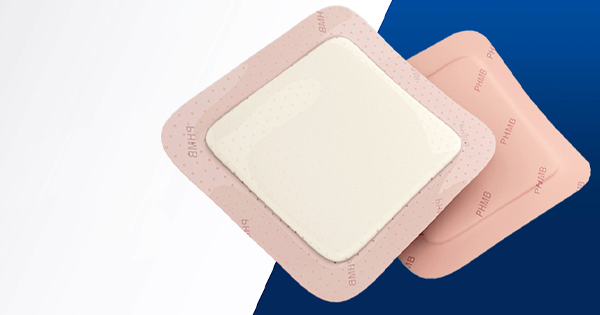
When applied in the context of newly presenting skin tears, the objective of a dressing protocol is to reduce further harm to the skin and promote skin tear healing. To achieve this objective, it is crucial to use a dressing that does not adhere to the wound bed and minimises pain or skin trauma during removal (e.g. ALLEVYN◊ GENTLE BORDER foam dressing). The protocol should be implemented by a trained practitioner, with appropriate record-keeping and regular audits in place. Throughout protocol implementation, it is crucial to document the wound assessment and healing progress.
Figure 2 outlines a dressing pathway that can be implemented in most UK care home settings.
Conclusions
This workshop highlighted how, despite being largely preventable, skin tears significantly decrease patients’ QoL and increase clinician and healthcare system burden, especially in care home settings. Maintaining skin integrity is essential for preventing skin tears, making protective strategies and skin health preservation essential.
Education on prevention and management of skin tears is vital in a care home setting. Engaging patients and families in moisturising their skin improves compliance and can reduce incidence.
In supporting a patient with a newly presenting skin tear, shared care and improved outcomes can be achieved through staff education and implementation of evidence-based treatments. It is important to use gentle and protective dressings, such as ALLEVYN◊ GENTLE BORDER Foam Dressing, to prevent further harm, improve patient engagement and increase staff confidence in supporting a patient with fragile skin.